Available Across Victoria – Contact Us Now!

Available Across Victoria – Contact Us Now!
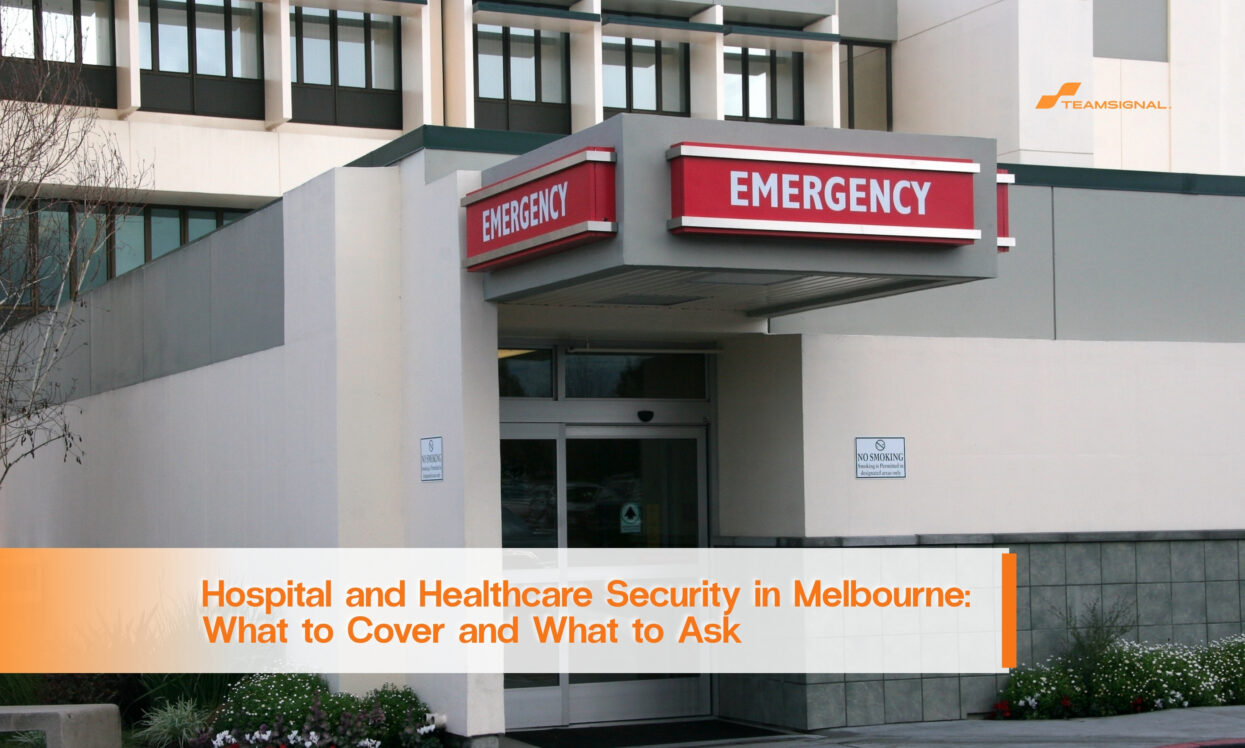
Hospital security is more than a guard at the front door.
Hospital security is the mix of building design, trained people and electronic systems that keeps patients, staff and visitors safe. The Victorian Department of Health describes security arrangements in three parts: building security and access control, dedicated security personnel, and electronic security such as CCTV and duress alarms. That framing works for a large hospital and for a small medical centre.
Team Signal Security is a full service security provider in Australia that provides security personnel for hospitals, medical centres, clinics and aged care. This guide explains the three parts, how the right mix changes between facilities, and what to ask a provider before you sign.
Security in health settings is not a nice extra. On 2 July 2026 the Victorian Government said Northern Health reported 4,275 occupational violence and aggression incidents in 2024/25, the highest count of any health service in the state. It said Northern Health is running an independent review with the Monash University Accident Research Centre, and that the state is reviewing its framework for preventing and managing this kind of violence.
That is one health service's reported count, not a state total. It does show the scale hospital teams deal with, and why the three parts below need to work together.
Good security starts before anyone is hired. The layout of the building decides where people can walk, which doors stay locked and which areas need a second check. A pharmacy store, a records room and a staff-only corridor should not be as easy to enter as a waiting room.
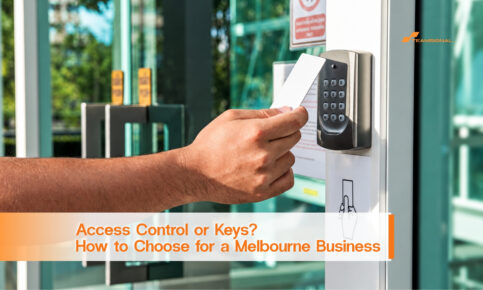
Access control is the practical side of this. Cards, codes and door schedules limit who can reach a zone and leave a record of who did. Our guide to access control versus keys for a Melbourne business covers why a card system is easier to manage when staff change often, which is common in healthcare.
If you are fitting out or moving into a new site, our new premises security checklist is a useful place to start. It is easier to plan entry points and zones before the walls go up than after.
Visitor flow matters too. A hospital has patients, families, couriers, contractors and staff all using the same entrances. Clear signs, a staffed reception point and a single main entry after hours make it easier to see who is coming in. Fewer open doors also means fewer places to watch.
The Department of Health guide says security personnel can be in-house or contracted. Some health services employ their own officers. Others bring in a contractor, or use both. The right answer depends on the size of the facility, the hours it runs and how much specialist training the work needs.
When we provide hospital security or healthcare security, the work is built around your procedures. Officers can monitor public entrances, support reception and emergency entry, and watch restricted areas such as medication, clinical and staff-only zones. They keep a visible presence in waiting areas and respond according to your escalation steps. They also document incidents and help with emergency and evacuation procedures.
Training is a big part of the value. A healthcare officer deals with people who are unwell, worried or in pain. Calm communication and clear boundaries matter more than a firm voice. Ask what training your provider gives, and how often it is refreshed.
Notice what is missing from the officer tasks above. Officers do not make clinical decisions. They support the people who do. That line should be clear in any contract.
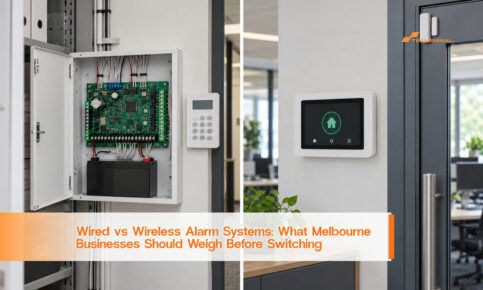
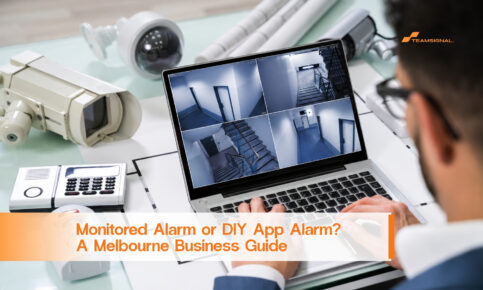
CCTV and duress alarms sit in the third part of the Department of Health model. Cameras help staff see an entrance or a corridor and give you a record if something happens. Duress alarms let a worker call for help without leaving the room. Our article on emergency response plans and modern security systems explains how panic alarms fit into a response plan.
If cameras or alarms need to be added or upgraded, our CCTV and alarm system service covers consultation, installation and ongoing support. A system only helps if someone is watching it and knows what to do when it triggers. That is where people and technology meet.
Placement matters as much as the equipment. A camera that covers an entry door, a pharmacy corridor or a car park is useful. One that points at a blank wall is not. Review the system when the layout changes, and test duress alarms on a schedule so staff know they work.
Many healthcare sites never fully close. Emergency departments and aged care run all day and night. A medical centre or day clinic is different. It may be busy from 8am to 6pm and empty after dark.
That difference should shape your cover. A 24-hour facility may need people on site at all times. A clinic that closes may need a lock-up check, a monitored alarm and a visit after hours. Staff and visitor car parks also need thought, especially for staff who finish late.
For sites that close, our mobile patrol service is often a better fit than a full-time officer. If you want to know what a visit involves, read what happens on a mobile patrol visit. We also adjust cover when your hours, departments or visitor numbers change.
Before you choose a number of officers, find out what you need to protect and from what. The Department of Health publishes a security risk assessment tool with worked examples. It suggests that risks and controls be recorded in the organisation's risk register. It sits alongside the Department's guide, which aims to reduce variation in security staffing, management and incident response between services.
The guide adds that where a health service lacks in-house knowledge, it should engage independent experts with healthcare security experience. That is sound advice. A good provider will welcome an assessment, not avoid one.
Employers also have legal duties. WorkSafe Victoria's guidebook on violence and aggression in health services explains what the Occupational Health and Safety Act 2004 expects: identify hazards and risks, put controls in place, and respond to and learn from incidents. Security is one control among several, not the whole answer.
One update is worth knowing. The guidebook was published in November 2023. The Occupational Health and Safety (Psychological Health) Regulations 2025 then took effect on 1 December 2025. WorkSafe says the guidebook has not yet been updated for those new duties, so check WorkSafe's current guidance when you review your own plan.
The table below is a general guide, not a rule. Every site differs, so use it to start a conversation.
| Facility | Typical risk points | Common cover to consider |
| Public hospital | Emergency entrance, waiting areas, pharmacy, car parks, long hours | Security personnel on site, access control, CCTV, duress alarms |
| Private hospital | Reception, wards, after-hours entry, visitors, medication areas | Officer at entry, access control, patrols of external areas |
| Medical centre or clinic | Reception, after-hours break-ins, drug storage, staff leaving late | Monitored alarm, CCTV, patrol visits, lock-up checks |
| Aged care facility | Visitor sign-in, night entry, wandering residents, car park | Access control, night cover, officer at peak times |
Ask these questions in your first meeting. Clear answers are a good sign.
First, how will your officers work with our procedures? They should follow your escalation steps, not invent their own.
Second, who do officers call, and when? There should be a named contact on your side and a clear path for urgent matters.
Third, how are incidents recorded and reported to us? You should receive written reports you can use in your own review.
Fourth, what training do your officers have for healthcare sites? Waiting rooms and wards are different from a warehouse.
Fifth, can cover change as our needs change? Visitor numbers, opening hours and departments all shift over time.
Sixth, can you cover the car parks and external areas as well? If the answer is a separate provider, ask how they will work together. Our article on using one provider or two for patrols, alarms and CCTV covers that trade-off.
In Victoria, private security is regulated under the Private Security Act 2004. Victoria Police says that from 1 December 2026, a client who hires a licence holder for unarmed security guard work must complete a risk management plan before the work starts. A copy must go to the people doing the work, through the business if you hire one, at least one day before. Ask your provider how they handle this, and what they need from you.
This is an illustration, not a client case. A private day surgery runs from 7am to 5pm and holds a small stock of controlled medication. Staff leave in the dark in winter. The surgery has locks and an alarm, but no one checks the car park and no one reviews who has keys.
A risk assessment would flag three things: the medication store, the late exit and the key list. The fixes are modest. Move to a card system for the store, add a patrol visit around closing time, and keep a monitored alarm on at night. No full-time officer is needed. Only the assessment shows that.
Security personnel are useful, but they are not always the answer. We would tell you so.
If the main problem is a layout that leaves a pharmacy door open to the public, fix the door. If the problem is poor handover or unclear procedures, fix the process first. If a patient needs clinical care for confusion or distress, that is a job for clinical staff. Security can support a safe space for that care. It cannot replace it.
A small clinic with little public traffic may also do better with a monitored alarm and a patrol than with an officer on site. Paying for hours you do not need does not make you safer.
Hospital security works best as three parts that support each other: a well planned building, trained people and electronic systems. Start with a risk assessment. Match cover to your hours. Ask a provider how they will work with your procedures. If you want help working out what your site needs, ask us for a conversation.
What is hospital security?
Hospital security is the combination of building design and access control, security personnel, and electronic systems such as CCTV and duress alarms. Together they protect patients, staff and visitors.
What do healthcare security services include?
They can include entry monitoring, visitor guidance, watching restricted areas, a visible presence in waiting areas, incident response and reporting, and support during emergency or evacuation procedures. The exact mix depends on the facility.
Do hospital security systems need cameras and alarms?
Most sites use both. Cameras help staff see and record events. Duress alarms let a worker call for help quickly. They work best alongside trained people who know how to respond.
Does a medical centre need security?
Often yes, but the cover may be lighter than a hospital. A monitored alarm, CCTV and a patrol visit after hours can suit a clinic that closes at night. A risk assessment will show what is needed.
Victorian Department of Health, Guide for security arrangements to prevent and manage occupational violence and aggression (published 17 September 2018; page updated 4 September 2026; accessed 5 November 2026).
Victorian Department of Health, Security risk assessment tool (published 17 September 2018; page updated 4 September 2026; accessed 5 November 2026).
WorkSafe Victoria, Prevention and management of violence and aggression in health services (published 3 November 2023; accessed 5 November 2026).
Premier of Victoria, Australian-first to drive down violence in hospitals (media release, 2 July 2026; accessed 5 November 2026).
Victoria Police, Risk management plans for security services (accessed 5 November 2026).


 1300 893 606