
Available Across Victoria – Contact Us Now!

Available Across Victoria – Contact Us Now!

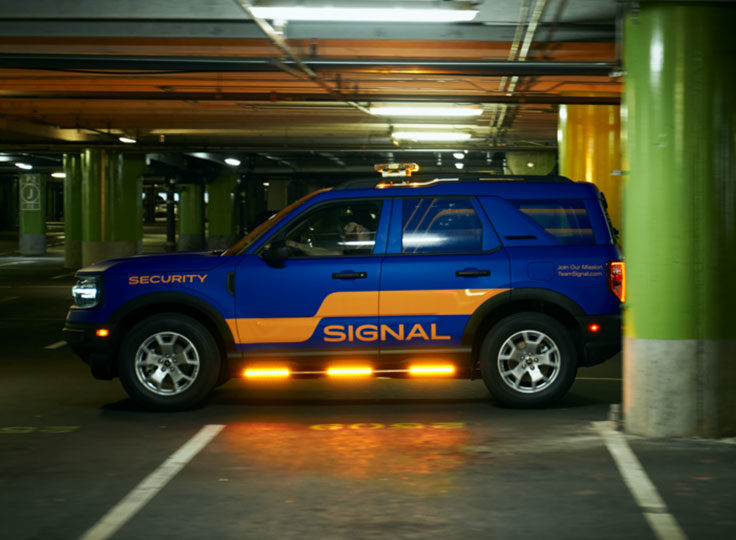
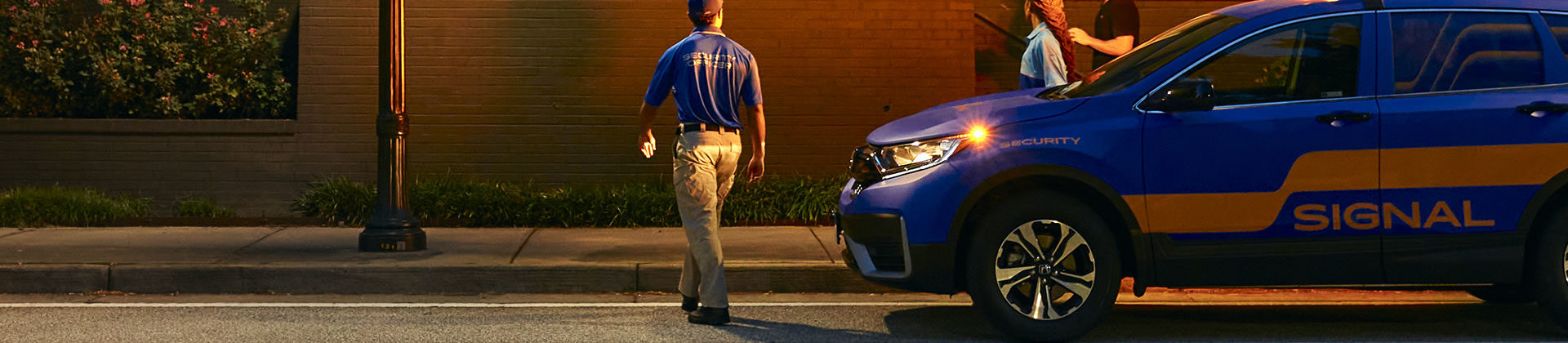
TeamSignal Security provides mobile patrol services in Pakenham for warehouses, retail premises, construction sites, offices and other commercial properties. Patrol arrangements are planned around the way each property operates, including staff movements, closing times, delivery activity, access points and periods when the site may be unattended. Depending on the agreed service scope, patrols may include external inspections, gate and perimeter checks, lock-up and unlock support, alarm attendance and reporting of incidents or unusual activity.

Pakenham businesses can operate across large sites, changing work schedules and properties with multiple access points. Warehouses, construction sites, retail premises and industrial locations may also have different security concerns after staff leave or activity reduces.
TeamSignal Security develops patrol instructions around the practical conditions of each property. This may include checking gates, loading areas, perimeter fencing, external storage locations and other agreed inspection points.
Patrol schedules can also be reviewed when operating hours, site activity or business requirements change. This allows the service to remain relevant rather than relying on the same fixed patrol routine throughout the year.
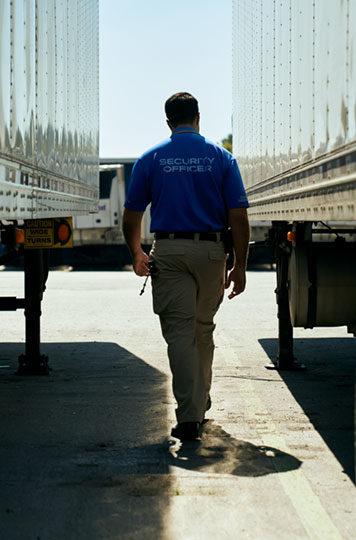
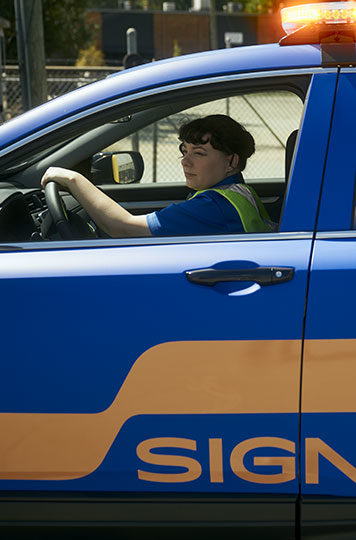
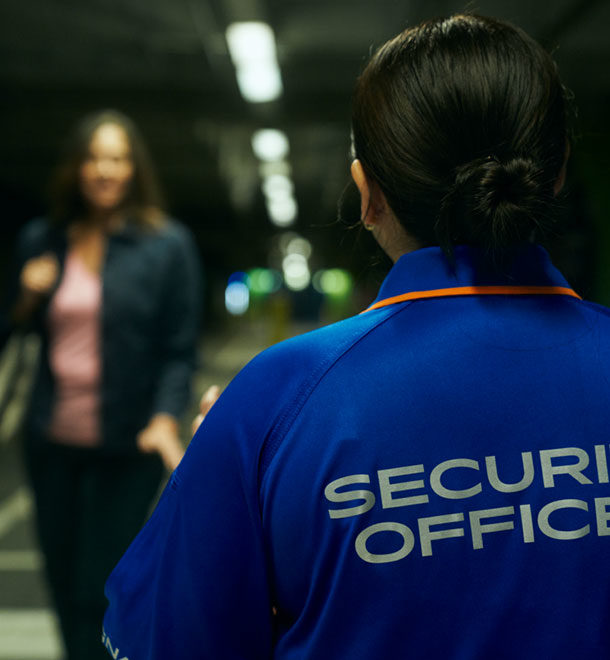

TeamSignal Security plans mobile patrol services around the operating patterns and physical layout of each Pakenham property.
As a trusted security provider, TeamSignal Security develops mobile patrol services around the practical risks and operating requirements of each Pakenham business.
 Proactive mobile
  Dedicated on-site
 Specialist support
  Responsive after-hours
  Clear Technology and
TeamSignal provides mobile security patrol support for warehouses, retail premises, offices, industrial properties, construction sites and other commercial locations across Pakenham.
The patrol scope can be built around the property’s operating hours, public access, valuable stock or equipment, external areas and periods when the site has limited supervision.
Before patrol services begin, TeamSignal Security works with the client to confirm the areas to be checked, access procedures, patrol timing, escalation contacts and reporting requirements.
Depending on the service arrangement, patrol activity may be supported by GPS records, time-stamped reports, photographs and written details of any incidents or unusual conditions identified during the visit.
This gives businesses clearer visibility of what was checked and how issues were handled.
To prepare a suitable patrol arrangement, businesses should provide details about operating hours, access points, staff movements, delivery activity, existing security systems and the areas that require inspection.
It is also useful to identify previous incidents, unattended periods and the people who should be contacted when an issue is found.
Clear site instructions allow patrol officers to complete the agreed checks consistently and respond according to the business’s procedures.
Yes. Patrol timing can be arranged around delivery periods, closing times, shift movements and hours when the property has fewer staff on site.
Yes, where these locations are included in the agreed patrol instructions. Officers can check loading zones, gates, perimeter areas and other external sections of the property.
Patrol instructions can be updated as access points, storage areas and work zones change. Coverage may include perimeter checks, temporary entry points and areas containing equipment or materials.
The officer follows the escalation procedure agreed for the property. This may involve documenting the issue, contacting an authorised representative or taking another action included in the site instructions.
Yes. Patrol schedules can be reviewed when stock levels increase, operating hours change, construction activity expands or additional after-hours coverage is required.
Depending on the service arrangement, records may include GPS data, time-stamped activity, photographs and notes confirming the completed checks.
Provide the property location, operating hours, access arrangements, inspection areas, current security measures, known risks and preferred patrol periods.
 1300 893 606