
Available Across Victoria – Contact Us Now!

Available Across Victoria – Contact Us Now!

TeamSignal provides professional healthcare security services for hospitals, medical centres, clinics, aged care facilities and other healthcare environments across Australia.
Healthcare settings require security personnel who can protect staff, patients, visitors and property while responding calmly and professionally in sensitive situations.
Our services can support visitor access, restricted areas, entrances, waiting rooms, staff safety, emergency procedures and the protection of medical equipment and other sensitive areas.
Every security arrangement is developed around the facility’s operating hours, public access, clinical environment, existing procedures and identified risks.
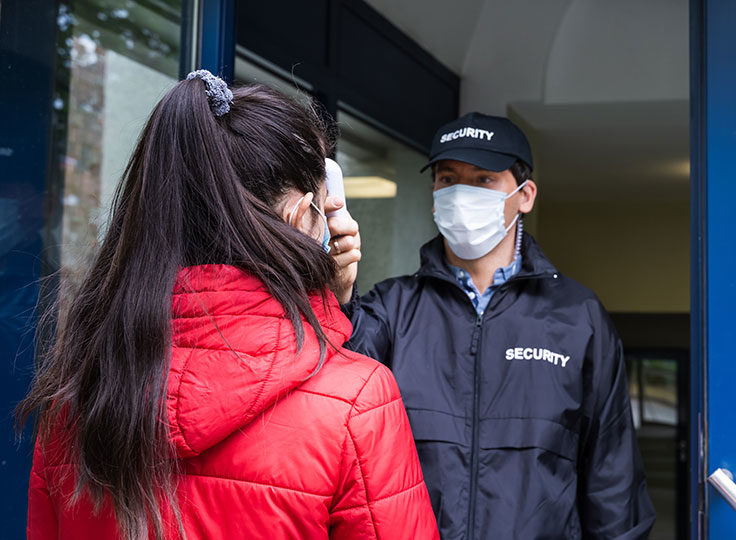
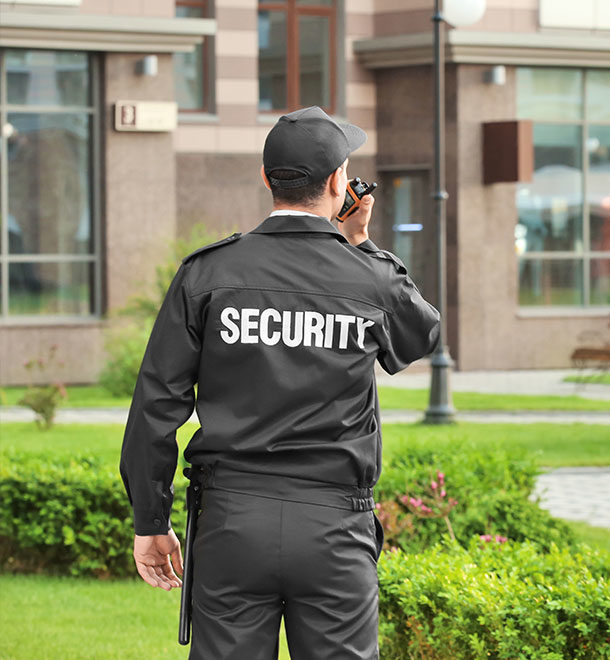

Hospitals and healthcare facilities must remain accessible to patients and visitors while protecting staff-only zones, restricted departments, medical assets and high-traffic public areas.
This requires more than a standard guarding service. Security personnel need to maintain a calm and visible presence, communicate appropriately and follow the facility’s established procedures.
As a full-service security provider, TeamSignal Security delivers healthcare security support aligned with the facility’s operational needs, safety risks and day-to-day requirements.
TeamSignal Security works with healthcare organisations to develop security arrangements around the facility’s operating model, patient environment, access requirements and risk profile.
Coverage can be reviewed as operating hours, departments, visitor activity or security concerns change. Organisations managing multiple healthcare locations can also discuss coordinated coverage with site-specific instructions.



From homeowner associations to multi-family residential communities, we offer a budget-friendly means to protecting your families, your home, and your community.

We understand that establishing peace of mind in the workplace creates higher productivity. Our goal is to ensure your employees feel safe, positive, and enjoy their day from open to close.

We provide security solutions from the moment you break ground at a new site through completion, working to minimise waste, cost, and liability.
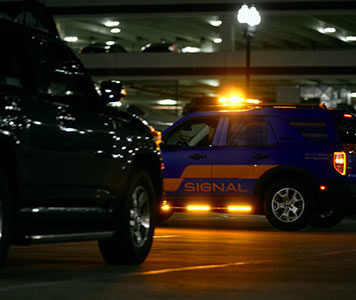

Count on us to give your patrons peace of mind at special events through the professionalism, high visibility and positive image our officers exemplify.
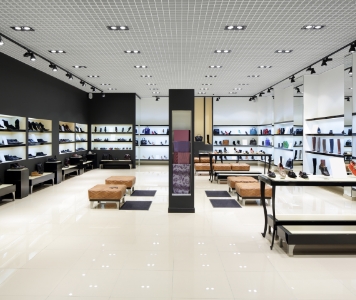

We recognize the importance of keeping your customers satisfied while they are visiting your retail location. Our officers work diligently to ensure your customers feel safe & secure.


Protecting the lives of your patients and personnel are at the forefront of what we do while on site at your facility. Our highly trained staff can assist with tasks ranging from patient transportation to risk mitigation.


Our customisable security solutions are focused on both the interior and exterior of your property to ensure your guests have a safe and comfortable stay.


We provide modern, efficient, and cost-effective solutions for ensuring government personnel and assets are secured.
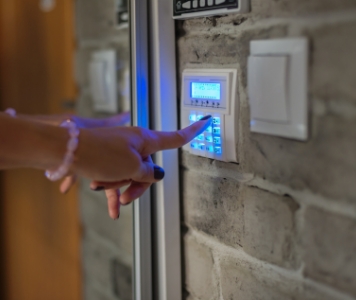

We recognize the importance of keeping your customers satisfied while they are visiting your retail location. Our officers work diligently to ensure your customers feel safe & secure.
The ultimate delivery of peace of mind guides the philosophy and security solutions process of TeamSignal. Find out what this means for you.
Here’s where to request your free, no-obligation TeamSignal Security estimate.
Yes. Security arrangements can be aligned with the facility’s access rules, incident response procedures, escalation pathways and nominated points of contact.
Yes. Coverage can be reviewed around visiting hours, emergency department activity, public events, staff shift changes and other periods when foot traffic or operational pressure increases.
Yes. Different departments may require different security instructions. Coverage can be planned around areas such as emergency departments, reception areas, wards, car parks, loading zones and restricted facilities.
Security personnel should maintain a calm and professional presence, follow site procedures and respond in a way that supports staff safety while minimising unnecessary disruption to clinical operations.
Coverage can be discussed for facilities with overnight operations, rotating shifts and continuous public access. The final arrangement should reflect staffing levels, visitor activity and higher-risk periods.
Yes. Healthcare facilities can include contractor entry, delivery points, loading areas and service access within their security procedures and site instructions.
Yes. Security requirements can be reviewed during renovations, temporary closures, relocations, changes in access routes or periods when parts of the facility are operating differently.
Reporting and escalation procedures should be agreed before the service begins. Relevant incidents can be documented and communicated to the nominated facility representative according to the established process.
Yes. Car parks, external walkways, entry points and other surrounding areas may be included when they form part of the agreed security coverage.
Yes. Healthcare organisations managing multiple hospitals, clinics or care facilities can discuss coordinated coverage while maintaining separate instructions for each site.
Useful information includes the facility type, operating hours, public access arrangements, restricted areas, known risks, incident history, existing procedures and required coverage periods.
Yes. Coverage can be reassessed when patient volumes, operating hours, department use, access arrangements or security risks change.
 1300 893 606