
Available Across Victoria – Contact Us Now!

Available Across Victoria – Contact Us Now!

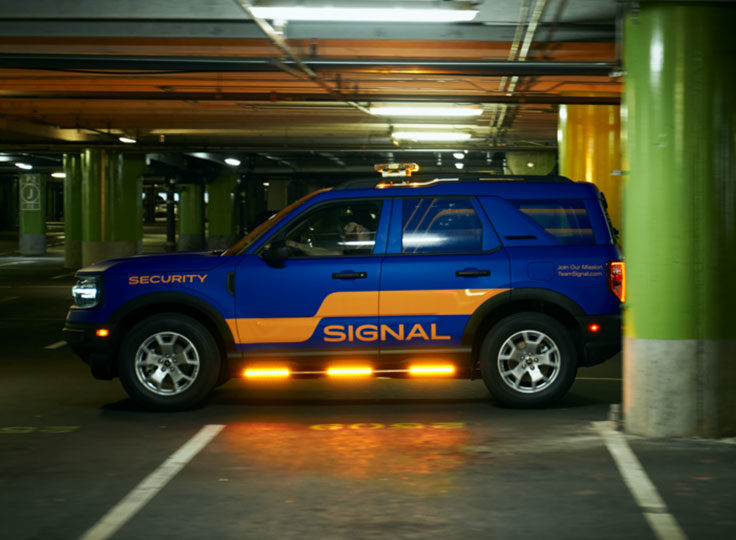
Properties used by staff, visitors, residents and the wider community can remain active long after normal business hours. Shared entrances, open car parks, rear access points and public-facing areas may be difficult to supervise consistently.
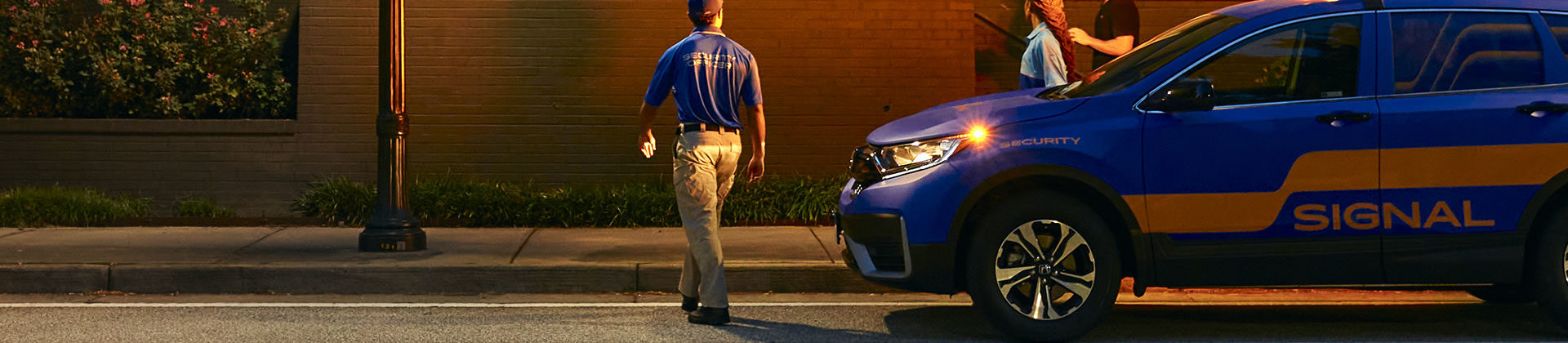
TeamSignal Security provides mobile security patrols across Frankston for community facilities, retail premises, medical and allied-health sites, residential complexes, offices and managed properties.
Patrol officers attend at scheduled or varying times, inspect the areas agreed with the client and report concerns such as property damage, unsecured access, trespassing or suspicious behaviour.

Many Frankston properties are not isolated private sites. They may be used by customers, patients, tenants, contractors, volunteers or members of the public throughout the day.
This creates different security concerns from a closed industrial facility. An entrance may be left unsecured after an evening appointment, a shared car park may remain accessible overnight or outdoor areas may attract unwanted activity after the premises closes.
TeamSignal Security develops patrol instructions around how the property is actually used. Officers may be asked to inspect entrances, rear access points, walkways, car parks, communal areas and other nominated locations.
The purpose is not to apply the same patrol checklist everywhere. It is to identify the areas that become harder to supervise when staff or building managers are no longer present.
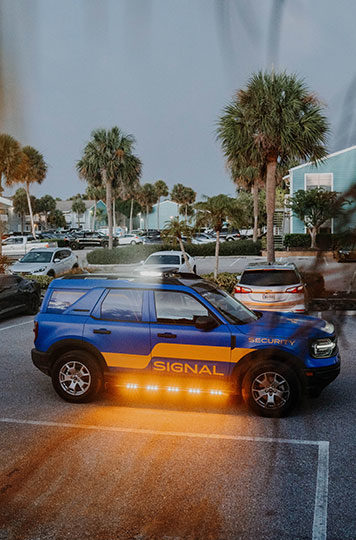
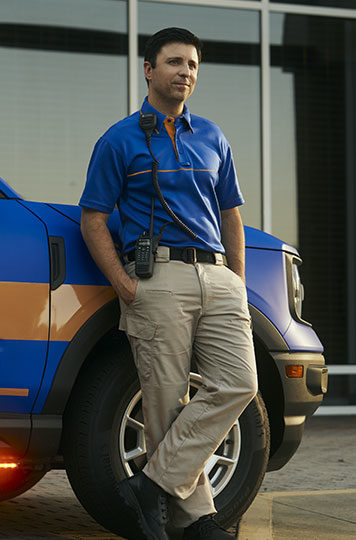
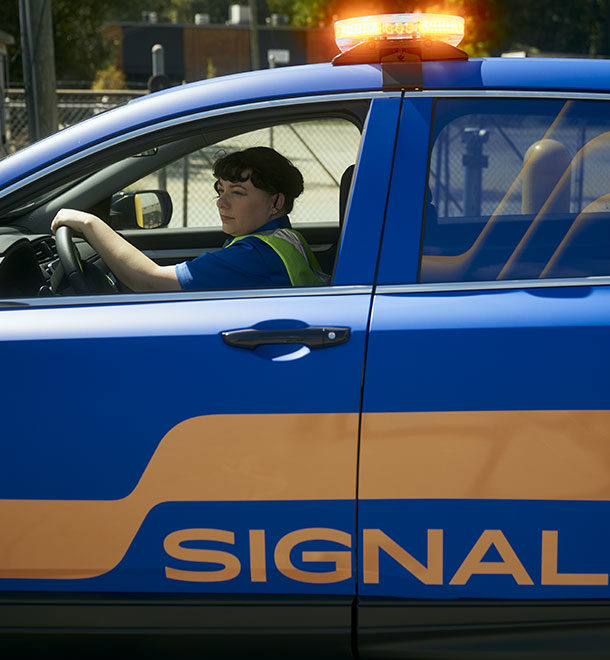

Community centres, sporting facilities, medical premises, places of learning and other shared sites can have irregular operating hours and changing patterns of use.
Some areas may remain occupied into the evening, while others become unattended shortly after an activity ends. This can make it difficult for managers to know whether doors have been secured, visitors have left or external areas remain clear.
Mobile patrols can be arranged around closing periods, evening activities, weekends or other times when the site requires an additional visible presence. Officers follow the agreed inspection route and report any issue requiring attention.
Patrol coverage remains limited to the client’s property and authorised areas. It is not a substitute for general policing or neighbourhood surveillance.
 Proactive mobile
  Dedicated on-site
 Specialist support
  Responsive after-hours
  Clear Technology and
A property may appear closed while still containing staff, cleaners, contractors or late appointments. This creates a transition period when access is harder to manage and responsibility may be unclear.
A mobile patrol can attend after normal activity has reduced, check the agreed areas and identify whether entrances, gates or shared spaces require attention.
This is particularly useful for properties that do not close at exactly the same time every day or have different users throughout the week.
Medical and allied-health sites often receive patients throughout the day and may have staff working beyond standard office hours.
Their patrol requirements may include checking patient and staff entrances, rear access, adjoining car parks, external lighting and areas that remain accessible after reception closes.
The patrol procedure can also identify who should be contacted when an officer finds an unsecured entrance, property damage or someone remaining in an unauthorised area.
Shared car parks and external walkways often sit between several tenancies or facilities. Responsibility for observing these spaces can become unclear once individual businesses close.
Where included in the patrol agreement, an officer may inspect nominated parking areas, pedestrian access points, rear entries and visible building perimeters.
The officer records concerns such as damaged property, unauthorised vehicles, poor lighting or access points that appear unsecured. Issues are then handled according to the client’s escalation instructions.
Mobile patrols may be suitable for managed residential complexes, apartment common areas or mixed-use developments where a body corporate, property manager or authorised client requires checks of shared external areas.
The service should not be presented as patrol coverage for ordinary public streets or an entire neighbourhood. Patrol boundaries, access permissions and reporting responsibilities must be agreed in advance.
Frankston properties may have different activity patterns across weekdays, weekends and evenings. A fixed daily patrol time may therefore become predictable or fail to cover the most exposed period.
Patrol visits can be scheduled around specific closing times or conducted at varying times. Some properties may use a combination of both, such as a scheduled closing check followed by a later random visit.
The timing should be based on how the property operates rather than using the same schedule for every client.
The officer attends the property and follows the agreed inspection route. This may include entrances, gates, external doors, car parks, walkways or communal areas.
When no issue is identified, the visit is recorded according to the service arrangement. When something requires attention, the officer follows the agreed escalation process, documents what was observed and contacts the nominated person where required.
Mobile patrols involve planned site checks, whether scheduled or random. Alarm response begins only after an alarm activation has been received.
A Frankston property may use both services. Patrols provide routine attendance during vulnerable periods, while alarm response provides a separate procedure for unexpected activations.
Yes. Patrol arrangements can be developed for community centres, sporting facilities, learning environments and other shared properties. The patrol areas and timing are based on the site’s operating hours and authorised access requirements.
Yes. Mobile patrols may include checks of staff entrances, patient access points, adjoining car parks and other nominated areas after normal reception hours.
Shared or private car parks may be included when they form part of the client’s property or authorised patrol area. Public areas outside the agreed site are not automatically covered.
Managed apartment complexes, common areas and mixed-use properties may be suitable where the property manager, body corporate or authorised client has arranged the service.
Yes. Visits may occur at agreed times, varying times or through a combination of scheduled and random patrols, depending on the property’s requirements.
The officer follows the client’s escalation instructions, records what was observed and contacts the nominated representative or requests further assistance where necessary.
 1300 893 606