Available Across Victoria – Contact Us Now!

Available Across Victoria – Contact Us Now!
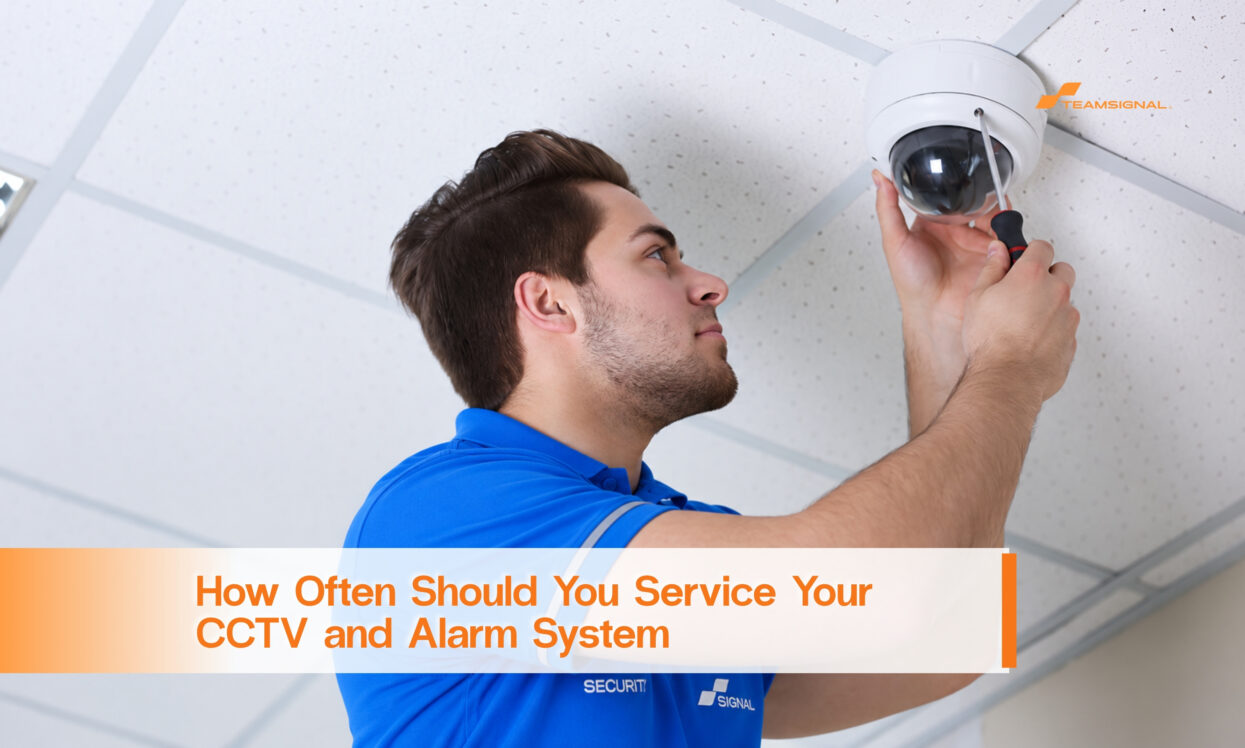
Most businesses think about their CCTV and alarm system twice: the day it gets installed, and the day it fails to catch something it should have. Everything in between usually gets ignored.
That gap is where a lot of expensive problems start. A camera with a slowly failing night vision sensor still looks fine on a quick glance at the monitor. An alarm sensor with a weakening battery still arms and disarms normally, right up until it doesn't. Neither of these failures announces itself. They just quietly reduce how much protection you actually have.
We're a full service security provider in Australia, and system servicing is one of the most overlooked parts of a security setup. A maintenance schedule doesn’t need to be complicated. It just needs to happen.
A CCTV and alarm system rarely fails all at once. It degrades gradually. A camera lens gets dusty. A cable connection loosens slightly. A backup battery loses capacity over months of charge cycles. None of these show up as an obvious fault. The system still turns on. It still shows a picture. It still arms when you leave.
The real test isn't whether the system runs. It's whether it would actually do its job during an incident. A grainy, poorly focused camera image is much harder to use as evidence than a clear one. A motion sensor with a weak battery might trigger late, or not at all, during the one moment it matters. Regular checks catch these issues while they're still minor and cheap to fix.
A proper check isn't just glancing at a monitor to confirm the cameras are on. It should cover a specific set of items every time, so nothing gets missed just because it seemed fine last visit. We see this play out a lot on retail fit-outs in Cranbourne, where sensors are often placed close to heaters or shopfront glass, a common source of the false triggers a proper check is meant to catch early.
Camera lenses should be checked for dust, cobwebs, and moisture inside the housing. All three degrade image quality without triggering any alert. Camera angles should be confirmed against their original position too. A knocked or drifted camera can leave a blind spot for weeks before anyone notices. Recording storage should be checked to confirm footage is actually being saved. It shouldn't be silently full or overwriting too quickly. Alarm sensors should be tested to confirm they trigger correctly and reset properly afterward. Backup batteries need testing under load, not just a visual inspection. A battery can look charged and still fail within minutes of a power cut.
There isn't one universal number, but there is a sensible baseline. A general visual check, confirming cameras are recording and the alarm is arming and disarming normally, is worth doing monthly. It takes a few minutes and catches the most obvious issues fast.
A more thorough technical check is worth doing every three to six months for most commercial sites. This covers lens condition, storage capacity, sensor sensitivity, and battery load testing. High-risk sites benefit from checks closer to the three-month mark. This includes sites holding valuable stock or cash, or sites in areas with a history of attempted break-ins. Lower-risk sites, like a small office with minimal foot traffic, can often stretch to six months without meaningful added risk.
Environmental factors change this too. A system with outdoor cameras exposed to dust, heat, or coastal salt air needs more frequent lens and housing checks than an indoor-only setup. An industrial site in Dandenong, for example, tends to have more entry points and a larger camera footprint to check per visit than a smaller inner-city office, which is part of why a one-size cadence rarely fits every site type.
We've inspected systems that hadn't been checked in over a year, and the pattern is fairly predictable. Storage drives fill up and quietly stop recording new footage weeks before anyone notices. Cameras drift out of position after being bumped during cleaning or maintenance work elsewhere on site. Batteries fail silently, meaning a power outage during a break-in leaves the whole system dark exactly when it's needed most.
None of these failures cost much to prevent. All of them are expensive to discover after the fact, usually during the exact moment someone needs footage or an alarm trigger that isn't there. A missed maintenance check doesn't save money. It just delays the cost and usually increases it.
There's also an insurance angle worth knowing about. Some commercial insurance policies expect a functioning, regularly serviced security system as a condition of cover for theft or break-in claims. A system that looks fine but hasn't actually been checked can leave a business exposed twice over: once to the break-in itself, and again if a claim is questioned because the system wasn't properly maintained. It's worth checking your own policy wording rather than assuming this doesn't apply to you.
Melbourne's weather shifts a lot across the year, and that affects a system more than most people expect. Heavy rain periods can expose small housing leaks that stayed hidden during a dry stretch. Extreme heat in summer puts extra strain on batteries and can shorten their working life. Sites further out toward Narre Warren often deal with more open exposure to weather than a sheltered inner-city site, and storm season brings a higher chance of power interruptions, which is exactly when a backup battery needs to work.
A schedule built around fixed calendar dates alone misses this. It helps to add an extra check after a major storm, a heatwave, or an extended outage, on top of the regular monthly and technical checks. This doesn't need to be a full inspection. A quick confirmation that cameras are still recording and the alarm still arms correctly is often enough.
Maintenance and response are two separate parts of the same job, and it’s easy to invest in one while overlooking the other. A well-maintained alarm system is only half the equation if there’s no reliable way to act on what it detects. Regular sensor testing confirms the alarm actually triggers correctly, but the value of that trigger depends on what happens next. Our alarm response service exists for exactly this reason, pairing a properly functioning system with an officer who can physically check the site when it activates.
A system that's maintained but has no response plan behind it still leaves a gap. It will detect a problem. It just won't do anything about it beyond making noise.
Knowing what to check and how often doesn't help much if the checks never happen. A maintenance schedule works best when it's written down and assigned to a specific person, not left as a loose intention that gets pushed aside during a busy month.
A simple approach works well for most businesses. Put the monthly visual check on a recurring calendar reminder, assigned to whoever opens or closes the site that day. Book the three-to-six-month technical check as an actual appointment with a technician, the same way you'd book any other recurring service. Keep a basic log, even a simple spreadsheet, noting the date of each check and anything found. This turns maintenance from something that might happen into something that reliably does.
It's also worth reviewing the schedule itself once a year. A site's risk level can change. New stock might arrive, a nearby property might have a break-in that raises local risk, or the business might extend its operating hours. Any of these can justify moving from a six-month technical check cycle to a three-month one, even if nothing about the equipment itself has changed.
Basic visual checks, like confirming cameras are recording and lights are functioning, can usually be done by site staff as part of a regular routine. Technical checks, like sensor sensitivity testing, battery load testing, and storage configuration, need a technician familiar with the specific system installed. Mixing these up is a common mistake. A staff member glancing at a monitor isn't the same as a technician confirming a battery holds charge under load, and treating the first as sufficient is how systems end up failing quietly.
Documentation matters here too. Whoever does the check, whether staff or a technician, should log what was checked and when. Without a record, it becomes very difficult to know whether a system has genuinely been maintained or just assumed to be fine. Our technicians covering Frankston and the Mornington Peninsula corridor keep exactly this kind of log for every visit, so a client can see the maintenance history rather than take our word for it.
No maintenance schedule eliminates every failure. Hardware still ages and occasionally fails between scheduled checks, and a sudden fault, like a lightning strike or a cut cable during unrelated site work, can happen the day after a system passes a full inspection. A schedule reduces how often failures happen and how long they go unnoticed. It doesn't guarantee the system will never fail, whether the site is in Mornington or anywhere else we service.
A CCTV and alarm system that's never checked after installation is a system running on borrowed reliability. Monthly visual checks and a more thorough technical check every three to six months catch most problems while they're still cheap and easy to fix, well before they turn into a gap discovered during an actual incident.
If you’re not sure when your system was last properly checked, our CCTV and alarm team can assess what’s in place now and set a schedule that matches your site’s actual risk, wherever it sits across Melbourne’s eastern, south-eastern, or Frankston/Mornington Peninsula suburbs. Get a quote for ongoing servicing built around your system, not a generic checklist.
How often should CCTV cameras be checked?
A basic visual check monthly, confirming cameras are recording and positioned correctly, with a more thorough technical check, including lens and storage inspection, every three to six months depending on the site's risk level and environment.
Does a maintained alarm system still need monitoring?
Yes. Maintenance confirms the system works correctly. Monitoring, or an alarm response service, is what actually acts on a trigger. The two work together rather than replacing each other.
Can staff do maintenance checks themselves?
Staff can handle basic visual checks, like confirming cameras are recording. Technical work, such as battery load testing and sensor sensitivity checks, needs a technician familiar with the specific system.
What's the biggest sign a system needs a maintenance check?
There usually isn't an obvious sign, which is exactly the problem. Systems tend to fail quietly rather than announce a fault, which is why a scheduled check matters more than waiting for a visible warning sign.




 1300 893 606