Available Across Victoria – Contact Us Now!

Available Across Victoria – Contact Us Now!
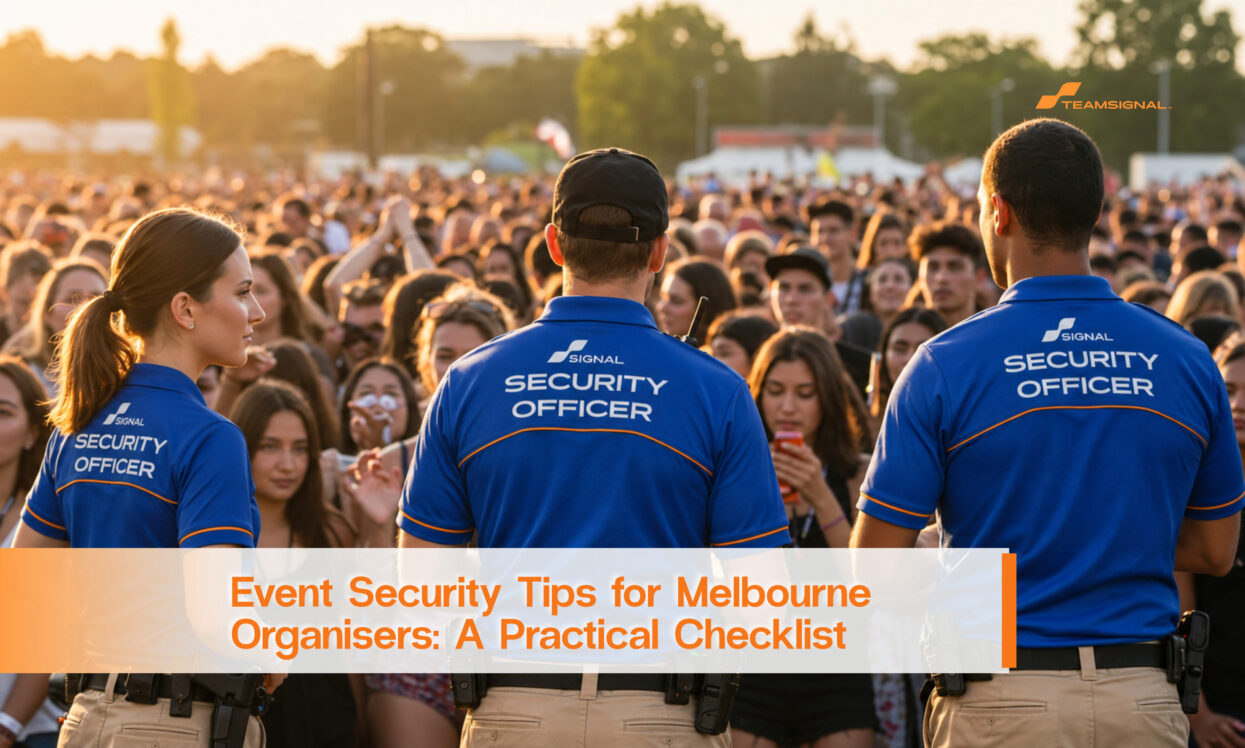
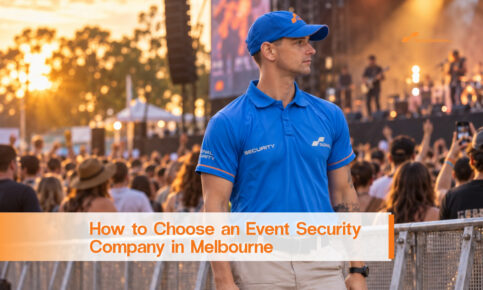
Most event problems aren't dramatic. They are a queue that backs onto a road, a gate nobody is watching or a crowd that gets bigger than the space allows. Good event security is mostly planning done early.
We're a full service security provider in Australia, and this checklist is for organisers of small and mid-sized events, such as school fairs, markets, community nights, product launches and private functions. It covers what to plan, who to involve and what to ask a security provider.
Before you think about security staff, write down the basics. How many people do you expect, and what is the most you could get? What time do doors open and close? Is the event indoors, outdoors or both? Will alcohol be served? Are there children, older guests or people with limited mobility?
These answers shape everything else. A 200-person daytime market needs a different plan from a 600-person evening function with a bar. If you aren't sure of numbers, plan for the higher figure.
Most problems start or finish at the gate. Count your entry and exit points, and decide which are open, which are staff only and which are emergency exits that must stay clear.
Fewer entry points are easier to manage, but exits matter for safety. Make sure people can leave quickly if they need to. Mark exits clearly and keep them free of stalls, stock and vehicles.
At the main entry, plan for queues. A bag check, a ticket scan or a simple welcome desk slows people down, so give the line room to form off the footpath or road. If you expect a rush at opening time, add a second lane.
Crowds are safest when they can move. Think about where people will gather, such as at food stalls, toilets, bars and stages, and make sure those areas aren't in the path of everyone else.
Know the capacity of your venue. If it's a hired venue, the venue should tell you. If it's an outdoor or public space, check what the council or land manager requires. Our guide on event security requirements in Melbourne explains what to consider before the day.
Also think about the end of the event. Finish times create their own crowd, with everyone leaving at once. Lighting, clear paths to transport and staff at the exits help.
In Victoria, private security work is licensed. Crowd controllers, who manage entry, behaviour and crowds at licensed venues and events, hold a different licence type from security guards. Victoria Police regulates the industry and keeps a public register of licence holders.
When you book security, ask the provider which licences their officers hold and how many staff they recommend for your numbers. A good provider will ask you the same questions we asked above, and will often want to see the site first.
Brief the team before the event. Cover the layout, the entry rules, who is in charge, where first aid is, who to call and what to do if there is a problem. A short, written briefing sheet is enough.
Poor lighting causes problems at evening events. Check car parks, paths, toilets and exits. If an area is dark, add temporary lighting or close it off.
Visibility also matters for staff. Make sure security and event staff can be recognised, with a vest or badge, and that guests know who to speak to if they need help.
If alcohol is served, the rules change. Your venue or event may need a licence, and responsible service of alcohol rules apply. Check what's needed with the venue and local authorities well before the day.
Plan for how you'll handle intoxicated or aggressive guests. Decide who makes the call to refuse entry or ask someone to leave, and how that will be done calmly. Staff should know the plan before the doors open.
Events often handle cash, equipment or stock. Decide in advance where it will be kept, who holds it and how it will be moved. Avoid carrying cash through a crowd or leaving it in a vehicle overnight.
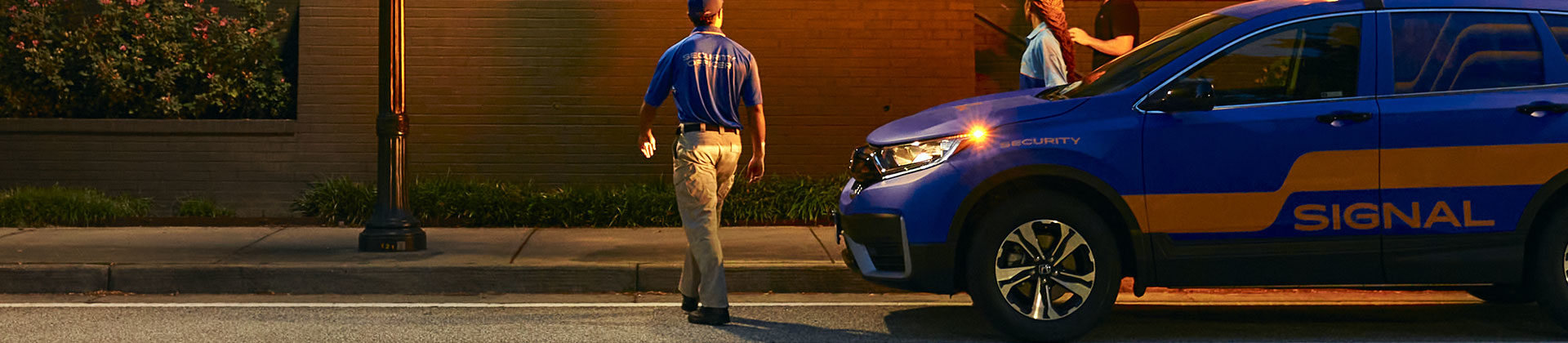
If you are storing equipment on site the night before or after, think about overnight cover. A mobile patrol can check the site between set-up and pack-down. Our mobile patrol service is one option for this.
Think through the most likely problems before the event: a medical emergency, a lost child, a fight, a fire alarm, a power failure or severe weather. Write down who does what for each.
At a minimum, make sure you have a nominated person in charge, a first aid kit and a trained first aider, a list of emergency contacts, a way to communicate with staff such as radios or phones, and a clear way to call emergency services with an accurate address.
For anything serious, call 000 first. Security staff can help by keeping people calm, clearing a path and giving police or paramedics clear information.
Use this list in the week before your event:
Your job isn't over when the last guest leaves. Walk the site, check for damage, make sure gates and doors are locked and secure any equipment. Debrief with the team while it is fresh: what worked, what didn't, what you would change.
Keep notes. They help you improve the next event and give you a record if there are questions about an incident.
There isn't a single formula, but a few questions help you form a sensible first estimate before you speak to a provider.
How many entry points will be open? Each one usually needs someone on it. How many guests do you expect at the busiest time? A larger crowd needs more people watching. Is alcohol served? That tends to raise the number of staff needed. Is the area large or split across several spaces? That means more people moving between areas. Are there children, older guests or VIPs? These often call for extra attention.
A provider will weigh these questions against their own experience and, for licensed venues, any conditions that apply. It's much better to ask for advice early than to guess on the day.
Good communication prevents many problems. Tell guests what to expect before they arrive: start and finish times, entry rules, what they can bring, parking and transport arrangements. Put the same information on the door.
On the day, make sure your signs are clear and visible. Mark entrances, exits, toilets, first aid and the information point. A short announcement at the start covering emergency exits and what to do in an emergency helps, particularly at indoor events.
If something goes wrong, communicate calmly and early. People are more likely to follow instructions when they understand why.
Decide in advance what your entry policy is. Will you check bags? Will you ask for tickets or ID? What items are not allowed? Whatever you decide, apply it consistently.
Explain the rules on invitations or tickets and at the gate. A friendly, clear approach reduces tension. Staff should know what to do if someone refuses a check: stay calm, avoid physical confrontation and call the person in charge.
If you collect personal information, such as names for a guest list, be aware of privacy obligations, and keep the list secure.
Outdoor events in Melbourne can face sudden weather changes. Heat, wind, rain and storms can all affect safety. Check forecasts before the event and have a plan for each: shelter, shade, water, a way to stop activities and a way to move people safely.
Power failures, equipment faults and transport disruptions can also change the plan. Keep a short list of what you'll do in each case, and who decides.
Check the venue's rules and any permits you need. Councils may have requirements about noise, traffic, waste and use of public space. Neighbours should be told about the event, particularly if it's loud or runs late.
Make sure you know who the venue contact is on the day, and how to reach them. A single contact for the venue, security and event staff keeps decisions fast.
You can search the Victoria Police public register of licence holders by name or licence number. WorkSafe Victoria explains the general duties of employers, including providing a safe workplace so far as is reasonably practicable.
Picture a community night market in a car park, with 400 guests and 30 stalls. The organiser maps two entry points and a single clear exit lane, books licensed crowd controllers for the gates, adds temporary lighting in the corners and arranges for a patrol to check the site overnight while stalls are packed in the morning.
This is an illustration, not a client story. Your plan should follow your own site and crowd.
Event security comes down to a few decisions made early: control the entry points, plan the flow of people, use licensed and briefed staff, light the site and know what you will do when things go wrong. A walk-through with your provider before the day will find most of the gaps.
If you're planning an event and want advice, you can talk to our security services team or get a quote.
Do I need security guards for my event?
It depends on the size, the venue, whether alcohol is served and the risk. Check venue and council requirements, and ask a licensed provider for advice based on your numbers.
Are crowd controllers different from security guards in Victoria?
Yes. They hold a different licence type. Ask your provider which licences their staff hold for the work you need.
How many security staff do I need?
There is no single number. It depends on guest numbers, entry points, alcohol and the venue layout. A provider should recommend a figure after seeing your plan or the site.
Can security staff stay overnight to protect event equipment?
Yes. Options include a guard on site or a mobile patrol checking the site. The right choice depends on what you are protecting.
What should I do in a serious emergency?
Call 000 first. Then follow your emergency plan and give police or paramedics clear information about the location and what has happened.


 1300 893 606