Available Across Victoria – Contact Us Now!

Available Across Victoria – Contact Us Now!
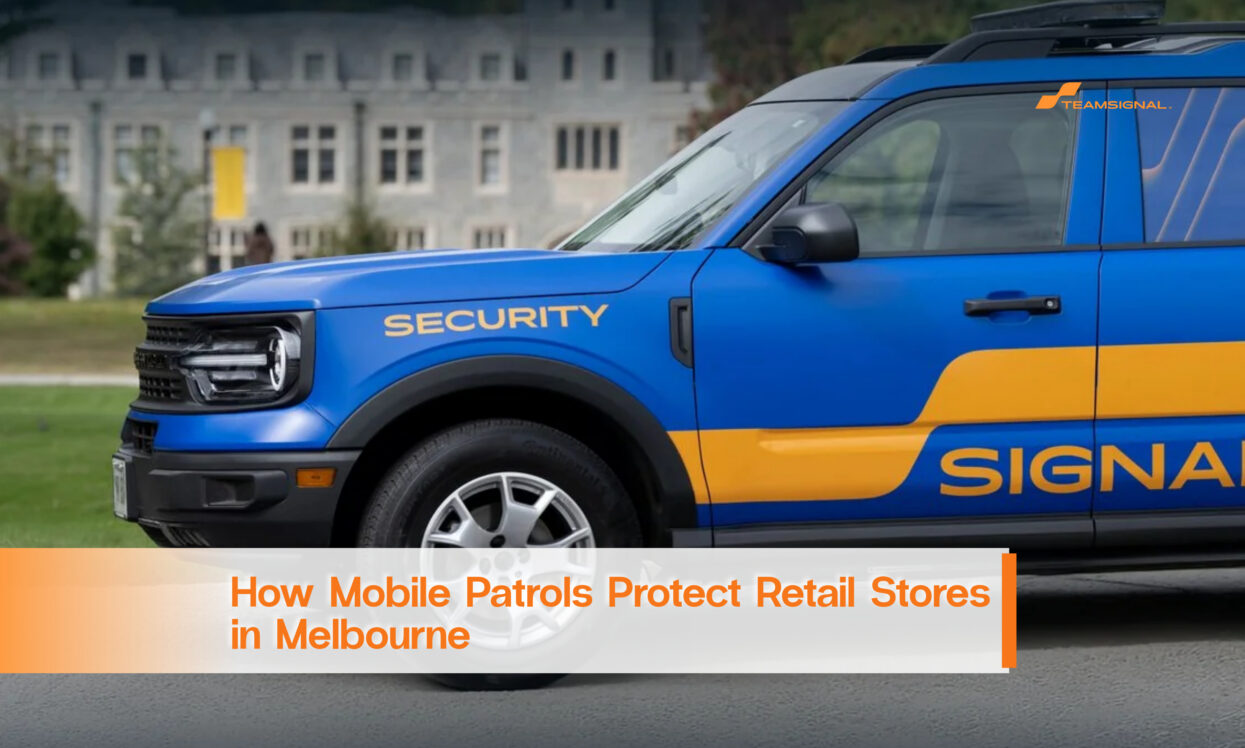
A shop is exposed in two moments. One is the trading day, when it is busy and staff are stretched. The other is the long stretch after closing, when the lights are off and the street is quiet. A mobile patrol is built for the second one.
We're a full service security provider in Australia, and we patrol retail sites across Melbourne. This guide explains what a retail patrol covers, what it can't do, and how to set one up so it earns its cost.
Retail has its own pattern of weak points. They are often not at the front door.
Rear lanes and loading docks. Deliveries, rubbish and stock all pass through the back. It is dark, out of sight and often poorly fenced.
Roller doors and shopfront glass. Shutters get forced, glass gets smashed and signs of tampering are easy to miss if nobody looks.
Car parks. Shared car parks near shops attract loitering, dumping and vehicle crime after closing.
Opening and closing. Staff are often alone at these times, carrying cash or a bag of stock. A routine can be watched and learned.
Quiet strips and shared centres. A site with few neighbours open at night has fewer people to notice something wrong.
None of this means every shop is at high risk. It means the risks are predictable, which is what makes them manageable.
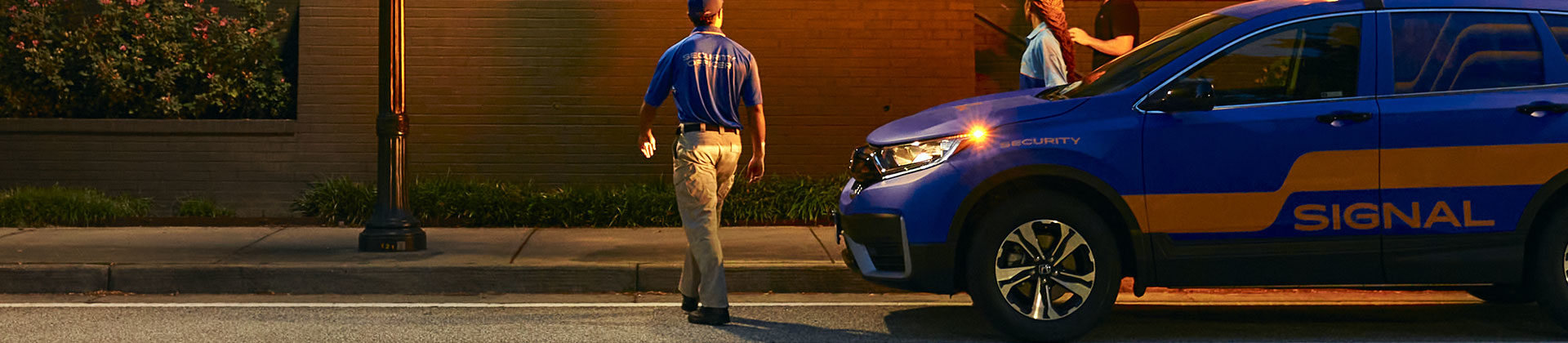
A mobile patrol officer drives to your site at scheduled or random times and checks it. For retail, the checks usually focus on what matters after closing.
An officer will typically walk the perimeter, try doors and gates, check the rear of the building, look at roller doors and windows, and note anything out of place. That might be a gate left open, a light that has failed, a bin pushed against a fence or a vehicle that has been parked for hours.
Each visit is recorded, ideally with a time stamp and photos, so you can see what was checked and when. Our article on what happens on a mobile patrol visit walks through this step by step.
Offenders prefer easy targets. A site that is clearly checked, with a patrol vehicle that comes at varied times, is harder to plan around than one that is left alone.
There is research supporting the idea that focused presence helps. A Minneapolis study of police patrol at high-crime hot spots found crime calls fell by roughly 6 to 13 percent compared with similar spots, and observed disorder dropped sharply. That was police patrol, not private security, so treat it as a guide. It does suggest that presence aimed at the right places and times is worth more than driving around at random.
Retail sometimes needs a person on the floor during trading hours. That is a different job from an after-hours patrol.
A guard on site suits busy shops, centres with high theft or places where staff feel unsafe during the day. Our article on retail security guards in Melbourne covers what actually deters theft on the shop floor.
A patrol suits the hours when nobody is there. Many retailers use both: a guard for the busiest periods and a patrol after closing. If you can only afford one, ask which period causes you the most loss or worry.
How often a patrol should visit depends on your hours and risk.
A shop that closes at 6pm and has had no problems might do well with a few visits spread across the night. A site with a history of break-ins, valuable stock or a poorly lit rear lane may need more. Randomised timing matters, because a fixed schedule can be watched and worked around.
Our guide on how mobile patrol pricing works explains how visit numbers shape a quote. We don't publish a standard rate, because it depends on your site and your schedule.
A patrol checks your site at set times. An alarm tells you when something happens in between. For most retail sites, the two work best together.
When a monitored alarm triggers, an officer attends to check the site and report back. Industry requirements commonly work to 45 minutes overnight and 90 minutes during the day, weekends and public holidays, although the exact terms depend on the contract. These are targets, not guarantees. Our alarm response service works this way, and it can be linked to patrols so the nearest vehicle can attend.
False alarms are common in retail, often from staff errors or poorly set sensors. Our guide on why your alarm keeps false triggering explains how to reduce them.
Cameras give you a record. Lighting gives an offender less cover. Both support a patrol.
If you use CCTV in a shop, remember that Victorian privacy rules apply. Cameras shouldn't point at changing rooms or toilets, and staff and customers should be told they are in use. Our CCTV and alarm team can help you plan a system that meets your needs.
Good lighting at the rear of the building, around loading docks and along walkways costs little and helps a lot. Motion-activated lights can also make a person's approach more obvious.
A patrol works better when the shop is set up to help it. Before you close, run through this list:
Ten minutes at closing time makes the patrol's job easier and your site harder to enter.
Picture a small hardware shop on a quiet shopping strip. It closes at 5.30pm. The back lane is dark and the roller door has been tampered with before. A sensible setup might include a monitored alarm, a motion light at the rear and three varied patrol visits between closing and opening, with a photo of the roller door at each visit.
This is an illustration, not a client story or a recommendation. The right setup always comes from walking the site.
Closing time is when many retail losses and safety risks arise, so it deserves a routine of its own.
Count cash inside, out of view of the windows, and with the doors locked. Avoid carrying cash in the open, and vary the time and route if you bank it. Put stock that is valuable and easy to carry in a locked room or cage. Keep tills open and empty, with drawers visible, if your insurer or policy allows it, so that anyone looking in can see there is nothing to take.
If you close alone, tell someone when you are leaving and when you've arrived home. Some retailers have a simple check-in with a colleague or manager. A patrol officer at closing time can add reassurance, especially in quiet strips.
Many retail break-ins start at the back, where lanes are narrow, dim and out of sight. Check what is in your lane. Are there bins or crates that could be climbed? Is there a light, and does it work? Are neighbouring businesses leaving doors open?
If the lane is shared, talk to your neighbours about lighting and rubbish. A shared patrol can check the lane for everyone. Keeping the area tidy also makes damage and tampering easier to see.
If there are CCTV cameras in a lane, check who owns the footage and how long it is kept. Footage that has been overwritten is no use after an incident.
Retail risk rises during busy periods. Christmas, sales and school holidays bring more stock, more cash, more staff and more visitors. They also bring longer opening hours and a lot of boxes in back rooms.
Tell your provider about changes to trading hours and deliveries. Consider extra patrol visits around closing and the early hours during peak weeks. After a busy period, check that stock rooms and doors are secure, and that returned stock isn't piled outside.
Retail security is easier when the people around you are involved. Landlords may control lighting, fencing and common areas. Neighbouring businesses may share rear lanes and car parks. Talk to them about problems you've seen, and agree who looks after what.
A short group message or a regular chat with nearby traders is enough to start. Sharing information on a suspicious vehicle or recent incident helps everyone.
Security systems work better when staff know what to do. Make sure everyone who opens or closes knows the routine, the alarm code and who to call. Teach staff what to do if they find a door open or signs of entry. The rule is simple: don't go in alone, call police and your provider.
Brief new staff in their first week, and refresh the routine now and then. A written one-page closing checklist by the back door helps.
Victoria Police publishes business premises security tips covering locks, lighting, monitored alarms and cameras.
A patrol is a visit, not a permanent presence. Between visits, nobody is watching the site, which is why alarms and cameras matter. A patrol can't stop every attempt, and it won't make up for poor locks or lighting.
It also doesn't replace staff training. Most retail loss during trading hours needs a different answer, such as better layout, trained staff and, in some cases, a guard.
Before you sign, ask how often your site will be visited and when. Ask whether times are varied and what the officer checks at a retail site. Ask what the report looks like and how soon you receive it, and what happens when an alarm triggers.
Every TeamSignal Security client has a dedicated account manager, so you aren't starting from scratch each time you call. Whoever you choose, look for a named contact.
A mobile patrol protects the part of a shop's day when nobody is there. It works best when the visits are varied, the checks are aimed at your weak points and an alarm backs it up. Start with how your shop is exposed, tidy up the basics and ask a provider to build the plan around your hours.
If you'd like to talk through your site, our mobile patrol team can help, or you can get a quote.
Do mobile patrols work for retail shops?
They can. A patrol checks the site after closing, looking at doors, rear lanes, roller doors and car parks. It works best alongside an alarm and good lighting.
How often should a patrol visit a shop?
It depends on your hours and risk. A quiet shop may need a few visits a night. A site with past break-ins or valuable stock may need more. Ask for varied times.
Is a guard or a patrol better for retail?
They do different jobs. A guard covers trading hours and the shop floor. A patrol covers the hours when nobody is on site. Many retailers use both.
Can a patrol respond to my alarm?
Many providers link patrols and alarm response. Ask about response targets in your contract, and how the provider performs against them.
How much does a retail patrol cost?
It depends on how many visits you need, the size of the site and the contract length. Visit frequency is the main factor.


 1300 893 606