Available Across Victoria – Contact Us Now!

Available Across Victoria – Contact Us Now!
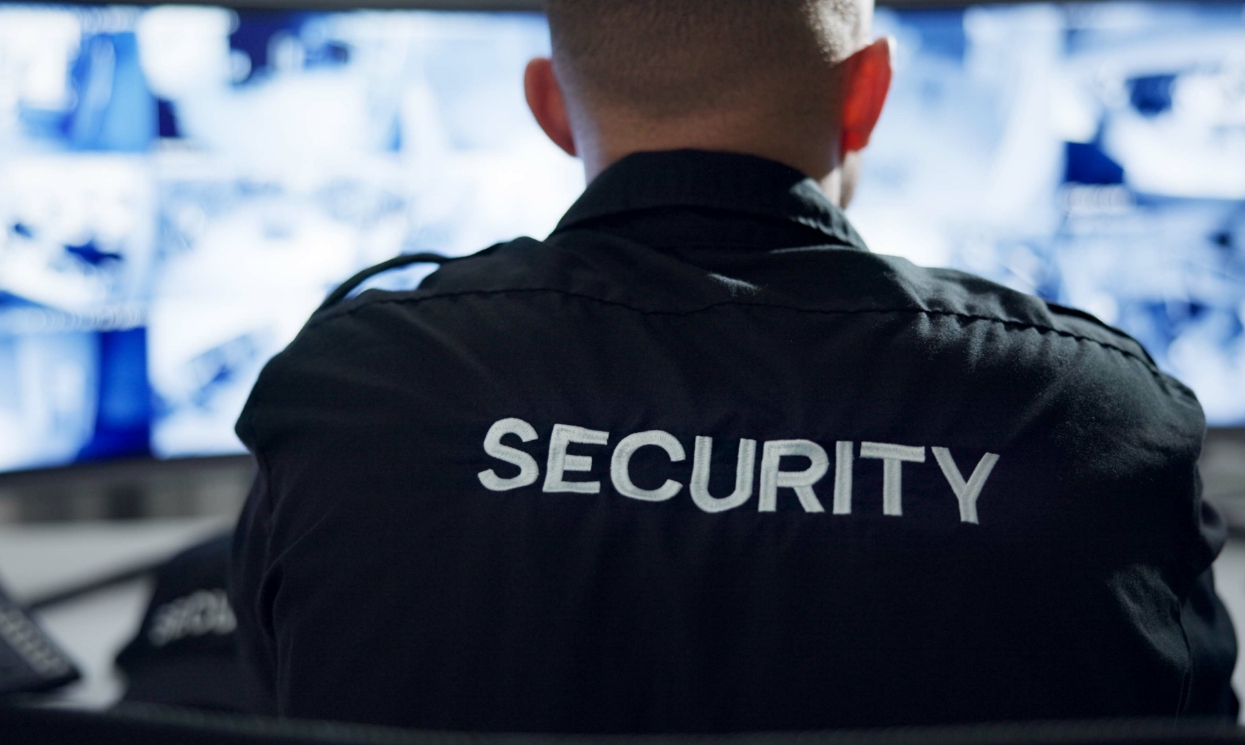
The sanctity of our homes and the security of our businesses are fundamental to our peace of mind. There is a profound sense of violation that comes with a break-in, a feeling that the one place you should feel safest has been compromised. It’s not just about the loss of valuable possessions, which is distressing enough; it’s the erosion of your sense of security. For a business, a break-in can mean lost revenue, damaged reputation, and the terrifying prospect of sensitive data falling into the wrong hands. The good news is that the vast majority of break-ins are not sophisticated, master-planned heists. They are crimes of opportunity, committed by individuals looking for the easiest possible target. This means that by understanding the mindset of a potential intruder and implementing a layered, professional approach to security, you can dramatically reduce your risk and protect what matters most.
The philosophy of modern security is not about creating an impenetrable fortress, which is often impractical and can feel oppressive. Instead, it is about creating multiple layers of defence that work in harmony to deter, detect, delay, and respond to a threat. Think of it as a series of hurdles a burglar must overcome. The first layer, the perimeter, aims to deter them from even attempting the break-in. The second layer, the building’s exterior, aims to detect their presence and delay their entry. The final layer, the interior, is about responding effectively to ensure the threat is neutralised and the authorities are alerted. At Team Signal, we believe that a holistic strategy, combining physical security, electronic systems, and proactive community habits, is the most effective way to safeguard your property in the Australian context. This guide will walk you through each of these layers, providing expert insights to help you build a comprehensive security plan.
To effectively prevent break-ins, it is immensely helpful to think like a burglar. What are they looking for? The answer is almost always a combination of three things: opportunity, speed, and silence. A potential intruder is conducting a constant, albeit subconscious, risk-reward analysis. They are looking for properties that appear unoccupied, offer easy access, and provide ample cover to avoid being seen. A house with overgrown shrubs obscuring the windows, no visible security system, and a side gate left unlocked is a far more attractive target than a well-lit home with a prominent alarm box, clear sightlines from the street, and noisy gravel under the windows. They want to get in, grab high-value items quickly, and get out without being noticed or confronted. The longer they take, the louder they are, and the more visible they become, the greater their risk of being caught. Therefore, every single security measure you implement should be designed to negatively impact one or more of these factors, increase the effort required, increase the time it takes, and increase the likelihood of being seen or heard.
The first and most crucial line of defence is the very edge of your property. This is where you create an environment that screams "not worth the risk" to anyone casing the area.
Landscaping for Security: Often overlooked, your garden is a powerful security tool. The goal is to eliminate hiding spots and create what security professionals call "natural surveillance." This means trimming back any large bushes, especially those under windows or near entry points, to below window-sill height. Replace dense, thorny shrubs with lower, spiky plants like agave or bougainvillea beneath windows, they are aesthetically pleasing but act as a natural deterrent. Trees should be pruned so their canopies are high enough that someone cannot easily use them for cover. Ensure your fences and side gates are in good repair and locked with a quality padlock. A flimsy gate latch is an open invitation. For businesses, this principle extends to keeping loading docks, storage areas, and alleyways clear of clutter and well-lit.
Lighting as a Powerful Deterrent: Darkness is a burglar's best friend. A well-lit property removes their cloak of invisibility. Motion-activated sensor lights are one of the most cost-effective security investments you can make. Place them at all potential entry points: front and back doors, side gates, and near ground-floor windows. The sudden flood of light startles potential intruders and draws immediate attention to their location. For a more consistent level of security, consider LED dusk-to-dawn lights that illuminate key areas all night long. These are particularly important for businesses with large car parks or perimeter fencing. Smart lighting systems can now be programmed to mimic occupancy when you're away, turning different lights on and off at varying times to give the impression that someone is always home.
The Illusion of Occupancy: An empty property is a vulnerable property. Whether you're on holiday or your business is closed for the weekend, creating the illusion that someone is present is a powerful deterrent. As mentioned, smart lighting is excellent for this. Similarly, using smart plugs to randomly turn a radio or television on and off can create the sounds of occupancy. For businesses, a timed lighting system that keeps certain internal lights on overnight is highly effective. Never let mail, packages, or newspapers pile up, this is a classic sign of an empty home. If you're away, ask a trusted neighbour to collect them or put a hold on delivery. For businesses, ensure that all post is cleared away before closing and that bins are not left in an easily accessible location.
If your perimeter defence fails to deter a determined intruder, the next layer is the physical shell of your building. This is about making forced entry as difficult, noisy, and time-consuming as possible.
Securing Your Doors: The vast majority of break-ins occur through doors. Your front, back, and side doors must be solid core wood or metal. A hollow-core door can be kicked in with a single blow. Inspect the door frames to ensure they are robust and firmly attached to the wall. The most critical component, however, is the lock hardware. A high-quality deadbolt is non-negotiable. Look for a deadbolt with at least a 60mm throw (the length of the bolt that extends into the door frame) and a reinforced strike plate. The strike plate is what the bolt slides into, and it should be secured with long, heavy-duty screws (at least 75mm) that penetrate deep into the wall stud, not just the door frame. This makes it incredibly difficult to kick in. For added security, consider a smart lock that allows for keyless entry and can provide you with access logs. Don’t forget about sliding glass doors and pet doors, which are common weak points. For sliding doors, a simple cut-down piece of wood or a metal bar in the track can prevent them from being forced open, and a charley bar provides even stronger reinforcement. Pet doors should be lockable and too small for a person to crawl through.
Fortifying Your Windows: Windows are the second most common point of entry. The latches on standard windows are often flimsy and can be easily forced. You can upgrade them with key-operated locks, which prevent the window from being opened even if the glass is broken. For an additional layer of protection, window security film can be applied to the glass. This tough, transparent film holds the glass together even when shattered, making it very difficult to break through and create an opening. For basement or ground-level windows, metal grilles or bars may be a worthwhile consideration, though it's important to check local regulations, especially regarding fire egress. For businesses with large plate-glass windows, security film is an excellent investment to prevent "smash-and-grab" attacks.
The Role of a Safe: For both homes and businesses, a high-quality, professionally installed safe is the final internal barrier for your most valuable possessions. In a home, this could be jewellery, important documents, passports, and sentimental items. In a business, it's often cash, data drives, or proprietary information. A safe should be heavy enough that it cannot be easily carried away or, ideally, be bolted to the concrete floor. Look for a safe with a reputable rating that signifies its resistance to drilling, prying, and fire.
When physical barriers are breached, electronic systems take over the role of detection and response. This is where technology becomes your 24/7 vigilant guardian.
The Modern Alarm System: A professionally monitored alarm system is one of the most effective deterrents against break-ins. The sight of an alarm control panel or a yard sign from a reputable company like Team Signal is often enough to make a burglar move on. Modern systems are a far cry from the complicated keypads of the past. They are wireless, easy to use, and can be integrated with other smart home devices. The system typically includes sensors on doors and windows that trigger an alarm when opened, as well as passive infrared (PIR) motion sensors that detect movement inside the property. The key differentiator is monitoring. With a professionally monitored system, when an alarm is triggered, a signal is sent to a central monitoring station. Trained operators will then attempt to contact you and, if they cannot reach you or you provide the wrong safe word, they will dispatch police to your location. This provides a response even when you are unavailable.
The Power of CCTV: Closed-circuit television (CCTV) systems have evolved dramatically. They serve two primary functions: live monitoring and forensic evidence. The visible presence of cameras acts as a strong visual deterrent. More importantly, if a break-in does occur, high-definition footage can be invaluable for identifying the perpetrators and recovering stolen property. Modern IP cameras offer remote viewing via your smartphone, cloud storage for footage, and advanced features like night vision, person detection, and licence plate recognition. For a comprehensive setup, cameras should be placed at all main entry points, covering the front door, back door, and garage. Ensure they are positioned high enough to avoid being tampered with and that their field of view is not obstructed. For businesses, a complete coverage plan is essential, including car parks, storage areas, and cash handling locations.
Integrating a Holistic System: The true power of modern security lies in integration. Your alarm system, CCTV cameras, smart lighting, and smart locks can all work together as a single, cohesive unit. For example, if a door sensor is triggered after hours, the system could turn on all the interior lights, start recording on all cameras, and send an immediate alert to your phone and the monitoring station. This creates a cascading series of responses that overwhelms an intruder and ensures a rapid, informed reaction from you and the authorities.
The most advanced security system in the world can be rendered useless by poor habits. Technology is a tool, but consistent behaviour is the foundation upon which security is built.
The Discipline of Daily Routines: Make locking up a non-negotiable habit. It sounds simple, but many break-ins occur through unlocked doors or windows. Always lock doors and windows, even when you are at home or just popping out to the shops. For businesses, implement a strict "lock-up checklist" that is completed by the last person to leave. Be mindful of what you leave in plain sight. Don't leave valuable items like laptops, wallets, or car keys visible from windows. Keep car keys away from the front door to prevent "keyless car theft" relay attacks. Be discreet with packaging for new, expensive purchases; break down cardboard boxes for TVs or computers before putting them in the recycling bin.
The Digital Footprint and Social Media: In the digital age, a new vulnerability has emerged: oversharing. Publicly posting your holiday photos in real-time is essentially an advertisement that your home is empty. Be very cautious about what you share on social media and review your privacy settings. Wait until you return from a trip to post your holiday snaps. The same applies to businesses; announcing that the entire staff is at a Christmas party can be an invitation for trouble.
The Power of Neighbourhood Watch: There is immense security in community. Getting to know your neighbours is one of the oldest and most effective security strategies. A neighbour who knows your habits and your car is far more likely to notice something suspicious and feel comfortable calling you or the police. Join or start a local Neighbourhood Watch program. This formalises the community watchfulness and often comes with support and resources from local law enforcement. For businesses, this means building strong relationships with neighbouring businesses. Look out for each other, share information about suspicious activity, and consider creating a business security network.
While many principles of home security apply to businesses, the scale, value of assets, and legal responsibilities often necessitate a more rigorous approach.
Access Control Systems: For any business with multiple employees, an access control system is essential. This replaces traditional keys with keycards, fobs, or even biometrics. The primary advantage is control. You can grant access to specific individuals for specific doors at specific times. If an employee leaves, you can instantly deactivate their fob without the cost and hassle of re-keying the entire building. It also provides a detailed audit trail of who entered which door and at what time, which is invaluable for internal investigations.
Safeguarding Data: A business break-in isn't just about stolen physical goods. The theft of a computer or server could mean a catastrophic data breach. Ensure all computers are password-protected and that sensitive data is encrypted. Servers and filing cabinets containing critical documents should be in a locked, access-controlled room. Implement a clear desk policy where employees lock away sensitive documents before leaving for the day.
Cash Management and Inventory: To minimise loss, keep minimal cash on the premises. Use a drop safe for daily takings and arrange for regular cash collection. For retail businesses, high-value items should be secured in locked display cases or stored securely overnight. Regularly audit your inventory so any discrepancies can be quickly identified.
Professional Security Audits: For any business, but especially for medium to large enterprises, a professional security audit is a wise investment. A security expert from Team Signal can assess your property from a criminal's perspective, identifying vulnerabilities you may have missed and recommending a tailored, integrated security solution that fits your specific operational needs and budget.
Preventing break-ins is not about finding a single magic bullet. It is a continuous process of layering deterrence, detection, and response measures to create a security posture that is greater than the sum of its parts. It begins with the simple, cost-free steps of improving your daily habits and leveraging your community, extends through the physical fortification of your doors and windows, and culminates in the sophisticated integration of electronic alarm and surveillance systems.
The most important step you can take today is to begin. Conduct a walk-around of your home or business. Look at it with a critical eye, asking yourself, "If I were a burglar, how would I get in?" Start by fixing the easy things, trimming that overgrown bush, installing a motion sensor light, or finally getting that deadbolt fixed. Then, progressively build your layers of defence. Investing in a robust security system is not an expense; it is an investment in your peace of mind, the safety of your family or employees, and the protection of your assets.
At Team Signal, we are committed to helping Australians feel safe and secure. We hope this comprehensive guide has provided you with the knowledge and confidence to take control of your security. Remember, the goal is not to live in a state of fear, but in a state of prepared confidence, knowing that you have taken proactive, professional steps to protect what you value most.



 1300 893 606