Available Across Victoria – Contact Us Now!

Available Across Victoria – Contact Us Now!
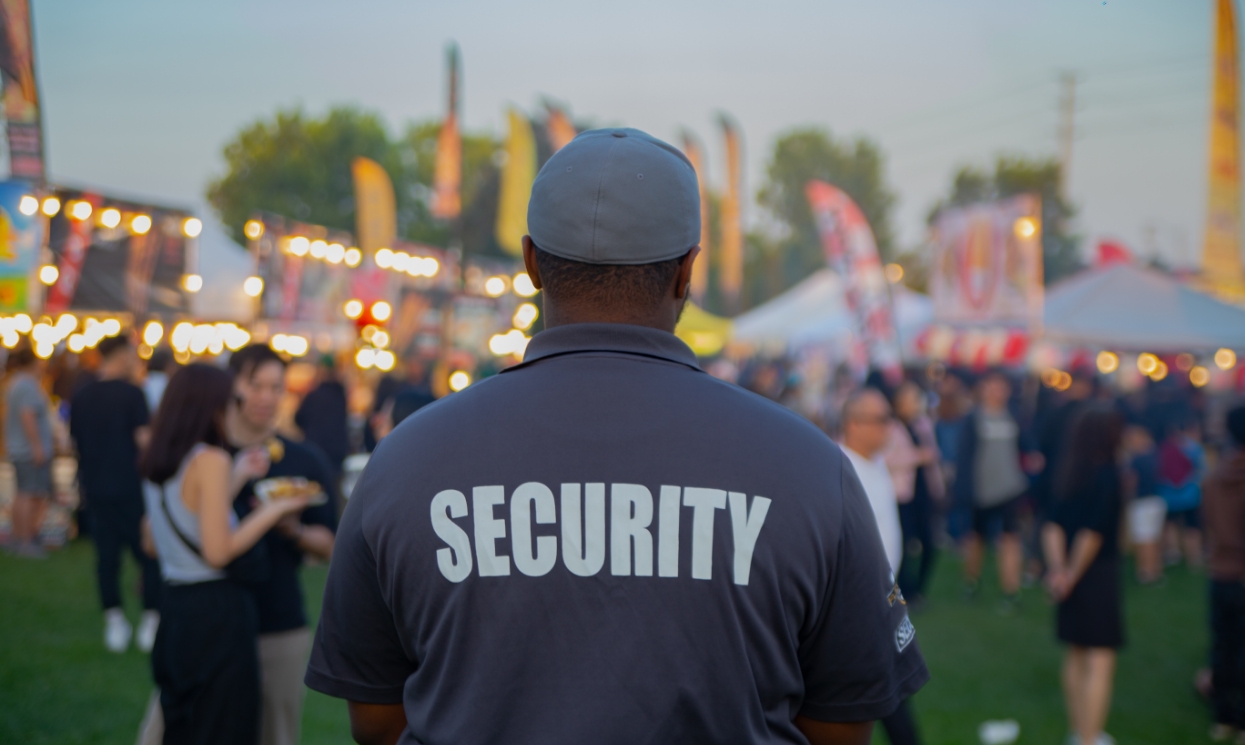
In an ideal world, the very concept of an emergency would be relegated to the pages of fiction. Our homes, businesses, and public spaces would be perpetual havens of safety and order. Yet, the reality we navigate is dynamic and, at times, unpredictable. From the sudden, violent intent of a break-in to the insidious threat of a fire or a critical medical situation, emergencies are, by their nature, unannounced and unforgiving. It is in these fractured moments between normalcy and crisis that the quality of our preparation is tested, and the value of a robust, integrated emergency response plan becomes immeasurably clear. An emergency response plan is not merely a document filed away in a cabinet; it is a living, breathing strategy for preserving life and property. And at the very heart of this modern strategy lies a sophisticated, proactive security system, acting as both a shield and a lifeline.
For too long, security has been perceived as a passive deterrent, a camera recording an incident after it has occurred, or a siren blaring after a window has been smashed. This reactive model is a relic of a bygone era. Today, the paradigm has shifted decisively towards proactive prevention and rapid, intelligent intervention. A contemporary security ecosystem, when thoughtfully designed and seamlessly integrated into a comprehensive emergency plan, doesn't just record events; it anticipates threats, deters criminal activity, manages chaos, and summons help with a speed and precision that human reaction alone cannot match. It is the central nervous system of your safety strategy, constantly monitoring its environment and primed to act the instant a threshold is crossed. This blog will delve into the critical synergy between a well-constructed emergency response plan and the advanced security technology that empowers it, with a particular focus on how these systems, including vital panic alarm systems in Australia, are fundamentally engineered to save lives.
Before we can appreciate how technology amplifies our safety, we must first understand the framework it supports. An emergency response plan is a formal, documented blueprint that outlines the procedures and protocols for an organisation, or even a household, to follow in the event of a crisis. Its primary objective is not to eliminate risk entirely, an impossible task, but to minimise harm, protect assets, and ensure a coordinated and effective return to stability. A robust plan is comprehensive, clear, and, most importantly, practiced regularly.
Risk Assessment and Identification: This is the foundational step. It involves a meticulous audit of the premises to identify potential vulnerabilities and threats. These can range from the most obvious, such as fire, armed robbery, or medical emergencies, to location-specific risks like chemical spills in an industrial area or civil unrest near a city centre. Understanding what you are up against is the first step in preparing for it.
Clear Communication Protocols: In a crisis, communication is the first thing to degrade and the most critical element to preserve. A solid plan designates a chain of command, identifies spokespeople, and establishes multiple, redundant methods of communication. This includes internal communication (alerting staff and occupants) and external communication (contacting emergency services, reassuring families, and managing public relations). The plan must answer the questions: Who speaks? What do they say? And through what channels?
Evacuation and Shelter-in-Place Procedures: Not all emergencies require the same action. A fire necessitates a rapid and orderly evacuation, whereas an active threat like an armed intruder may make evacuation more dangerous than securing a room and sheltering in place. The plan must provide detailed, mapped-out procedures for both scenarios, identifying primary and secondary escape routes, assembly points, and designated safe rooms.
Roles and Responsibilities: Chaos thrives in a vacuum of leadership. An emergency plan must assign specific roles to trained individuals. Who is the incident commander? Who is responsible for accounting for all personnel at the assembly point? Who is tasked with providing first aid? By pre-assigning these responsibilities, you ensure that critical tasks are not overlooked in the heat of the moment.
Training and Drills: A plan that exists only on paper is a plan destined to fail. Regular, realistic training and scheduled drills are what transform theoretical knowledge into muscle memory. They familiarise everyone with the sound of alarms, the feel of an evacuation, and the location of emergency equipment, thereby reducing panic and indecision when a real event occurs.
It is at the intersection of these five components that a modern security system ceases to be a mere collection of devices and becomes the active, enabling force that brings the emergency response plan to life.
The most effective way to save lives in an emergency is to prevent the emergency from happening at all. This is the principle of proactive security. Advanced security systems serve as a powerful psychological and physical deterrent to potential perpetrators. The visible presence of high-definition CCTV cameras, well-placed motion sensor lights, and security system signage sends an unambiguous message: these premises are monitored, protected, and a high-risk target. For a criminal weighing their options, this visible layer of security often proves sufficient to make them move on to a softer, less-defended target. This initial deterrence is the first and most crucial life-saving action a security system performs, it stops a threat before it even materialises.
When deterrence is not enough, the system's role shifts to early detection. Time is the most valuable commodity in any crisis. The sooner a threat is identified, the more time occupants have to enact their response plan and the sooner emergency services can be dispatched. Modern intrusion detection systems, featuring sensors on doors, windows, and internal spaces, can identify an unauthorized entry within milliseconds. But the technology has evolved far beyond simple breach detection.
Intelligent video analytics can now differentiate between a stray animal and a human figure, between normal loitering and suspicious behaviour patterns. These systems can be programmed to send an alert to a monitoring centre if a person is detected in a restricted area after hours, or if a vehicle is seen circling the property repeatedly. In the context of fire, modern smoke and heat detectors can identify the unique particulate signature of a fire in its very earliest smouldering stage, long before flames erupt, providing a life-saving window for intervention that older, less sophisticated detectors could not.
This capability for early, intelligent detection transforms the security system from a silent witness into a vigilant sentinel. It provides the "early warning" that is the cornerstone of any effective emergency response, allowing for a proactive rather than a reactive stance.
Perhaps no other piece of security technology embodies the direct link between a system and life preservation more than the panic alarm. In high-stress, high-risk situations where dialling a phone and speaking is impossible, such as during a hold-up, a physical assault, or witnessing a critical medical event, a panic alarm system provides a silent, instantaneous, and discreet cry for help.
The implementation and use of panic alarm systems in Australia have become a standard best practice across a wide range of sectors. Consider a late-night retail employee facing an aggressive and potentially violent customer. Or a receptionist in a corporate office who is the first point of contact for a distressed individual. In a school administration office, a teacher or staff member might need to alert authorities to a lockdown scenario without raising an alarm that could panic students or alert a threat. In all these scenarios, a discreet button under a desk, a wearable pendant, or a designated key fob can be activated without the perpetrator's knowledge.
The efficacy of a panic alarm system lies in its direct integration with a 24/7 professional monitoring centre. When the button is pressed, an immediate, silent signal is sent to highly trained operators. These operators do not simply call the premises; they are trained to assess the situation based on pre-provided site information and the nature of the signal. They can instantly listen in via integrated audio sensors, view live footage from nearby cameras to verify the threat, and then dispatch police, ambulance, or both with a verified, high-priority call. This process eliminates the delay and potential danger of a victim having to speak on the phone, and it provides emergency services with critical, real-time intelligence before they even arrive on the scene.
The value of this technology in the Australian context cannot be overstated. It empowers vulnerable individuals, provides a tangible sense of security, and creates a direct, unimpeded lifeline to help. It is a perfect example of how a simple, purpose-built device, when integrated into a broader security and response framework, becomes an indispensable tool for saving lives.
A true modern security system is greater than the sum of its parts. Its life-saving potential is fully realised when individual components are integrated to work in concert, automatically initiating a pre-programmed sequence of events the moment an emergency is detected. This integrated response is what transforms a chaotic, unpredictable event into a managed incident.
Let's envision a comprehensive scenario: An intelligent smoke detector in a commercial building's storage room identifies a heat spike characteristic of an electrical fire. In a traditional, non-integrated setup, this might trigger a local alarm, leaving it to occupants to call the fire brigade and manually attempt to fight the fire or evacuate.
In an integrated system, the single event of the smoke detector activating triggers a cascading, automated response:
1. Immediate Alert: The system instantly sends a high-priority alert to the 24/7 monitoring centre, providing the exact location of the triggered sensor.
2. Automated Emergency Services Dispatch: The monitoring centre, upon verifying the alarm (often through live camera feed from the affected area), immediately contacts the fire brigade, providing the address and the specific nature and location of the fire.
3. Internal Communication and Evacuation Guidance: Simultaneously, the building's internal Public Address (PA) system automatically activates. Instead of a generic alarm bell, a clear, pre-recorded voice message instructs occupants to begin an immediate evacuation, potentially directing them away from the affected area and towards the safest exits.
4. Access Control Management: The electronic access control system unlocks all designated emergency exit doors, ensuring a frictionless escape route. It may also secure internal fire doors to compartmentalise the blaze and slow its spread, creating precious extra minutes for evacuation.
5. Environmental Control: The building management system can be integrated to shut down air handling units in the fire zone, preventing the circulation of smoke and toxic fumes throughout the building.
6. Visual Guidance: Strobe lights and emergency lighting systems illuminate exit paths, while digital signage can dynamically update to show the safest evacuation route, avoiding the compromised area.
This orchestrated response, happening within seconds of the initial detection, is a powerful demonstration of how technology manages a crisis. It removes the burden of decision-making from panicked individuals, provides clear instructions, and actively shapes the environment to facilitate safety. The same integrated logic applies to other threats. An activated intrusion alarm during a lockdown can secure all internal doors, feed live video of the intruder's movement to both the monitoring centre and police, and provide real-time updates to occupants sheltering in place. This level of coordination is the pinnacle of how a security system, embedded within a solid emergency plan, saves lives.
While technology provides the tools, it is the human element that provides the judgment and context necessary for an effective response. This is the role of the 24/7 professional monitoring centre, the silent guardian that never sleeps. These centres are the critical link between your on-site security system and the emergency services.
When a sensor is triggered or a panic alarm is activated, the signal is not sent into a void; it is received by a trained operator in a secure facility. This human-in-the-loop is what separates a modern system from a simple local alarm. The operator's role is multi-faceted:
Verification: They first work to verify the alarm. Is it a genuine emergency or a false alarm triggered by a user error or a spider on a sensor? They do this by accessing live video feeds, using two-way audio to speak to anyone on site, and cross-referencing the signal with other system data. This verification step is crucial for preventing false dispatches of police and fire services, which can incur fines and waste valuable resources, while ensuring a rapid response to real threats.
Assessment and Dispatch: Once the threat is verified, the operator assesses its nature and dispatches the appropriate emergency services, police, fire, or ambulance. They provide these services with a detailed report: "This is a verified break-in at 123 Main Street, two intruders visible on camera in the main warehouse, all occupants are accounted for at the safe room." This intelligence allows first responders to approach the situation with a tactical advantage, enhancing both their safety and the safety of the occupants.
Communication: The operator acts as a communication hub, attempting to contact keyholders, the property manager, or the incident commander as outlined in the emergency response plan. They provide a calm, professional point of contact throughout the ordeal.
The presence of a monitoring centre ensures that even if occupants are unable to call for help themselves, help is already on its way. It provides an invaluable layer of reassurance, knowing that a trained professional is overseeing your safety around the clock.
To move from theory to tangible reality, let's examine a few hypothetical but all-too-plausible scenarios that illustrate the life-saving power of an integrated security and emergency response plan.
Scenario 1: The Distressed Individual in a Corporate Lobby
A large man, clearly agitated, enters the lobby of a corporate office, demanding to see a specific executive. The receptionist, following her training, attempts to de-escalate the situation calmly. When the individual begins pounding on the desk and making verbal threats, the receptionist subtly activates the panic alarm button under her desk. Instantly, a silent signal is sent to the monitoring centre. The operator sees the live feed from the lobby camera, hears the aggressive language via the integrated audio, and immediately dispatches police. Simultaneously, the system sends a silent text alert to the on-site security team and the building manager. Police arrive within minutes, apprehend the individual, and escort him from the building without a physical altercation. The emergency security response, triggered by the panic button, prevented a potentially violent assault.
Scenario 2: The After-Hours Intruder in a Warehouse
A sophisticated intrusion detection system at a distribution centre is armed after the last employee leaves. Just after midnight, external perimeter beams are tripped. The monitoring centre receives the alert and pulls up the live external camera feeds, observing two figures attempting to force a loading bay door. The operator dispatches police immediately. As the intruders breach the door, internal motion sensors activate. This triggers the full lockdown protocol: internal strobe lights and a siren blast to disorient the intruders, and the access control system automatically secures all internal doors leading to the high-value goods area. Police arrive to find the intruders confused and contained in the loading bay, having been unable to access their target. The integrated system deterred the completion of the crime, protected assets, and ensured no confrontation occurred between the intruders and any staff.
Scenario 3: The Medical Emergency in a Remote Office
An employee working alone in a remote section of an office park suffers a sudden cardiac arrest. Collapsing, he is unable to reach a phone. However, he is wearing a personal duress pendant provided by the company as part of its duty of care. He presses the button. The panic alarm signal, linked to his specific location, is sent to the monitoring centre. The operator, seeing no visible threat on camera but an individual on the floor, immediately dispatches an ambulance and uses the two-way audio to try and get a response. Unable to do so, he then calls the designated first aid officer and site manager, directing them to the employee's exact location. The rapid response, initiated by the pendant, leads to the employee receiving CPR and defibrillation within minutes, dramatically increasing his chances of survival.
Understanding the value of an integrated system is the first step; implementing it is the next. Building a security ecosystem that genuinely saves lives requires a strategic approach.
1. Conduct a Professional Security Audit: The process must begin with a thorough risk assessment conducted by security professionals. They will identify your unique vulnerabilities, assess your current preparedness, and understand your operational workflow. This audit forms the basis for both your emergency response plan and the design of your security system.
2. Design a Bespoke, Integrated System: Avoid the temptation of a one-size-fits-all solution. Your security system should be tailored to your specific environment, risks, and emergency plan. The key is integration, ensuring that your intrusion detection, video surveillance, access control, fire detection, and panic alarm systems can all communicate with each other and with a central monitoring platform.
3. Formalise and Document Your Emergency Response Plan: Work with security experts and safety consultants to draft a clear, comprehensive emergency response plan that leverages your new system's capabilities. Define the protocols for each type of emergency, assign roles, and establish communication trees.
4. Prioritise Training and Regular Drills: Technology is only as effective as the people using it. Conduct mandatory training for all occupants on how to use the system, especially the location and operation of panic alarms. Run regular, unannounced drills to test both the human response and the technological integration, using the results to refine your plan and fix any system glitches.
5. Establish a Partnership with a Reputable Monitoring Service: Choose your monitoring provider carefully. Look for certifications, a proven track record, and excellent communication. They are your primary lifeline in a crisis.
6. Commit to Ongoing Maintenance and Evolution: Security is not a one-time project. Schedule regular maintenance for all system components to ensure they are operational when needed. Furthermore, your system and plan should be reviewed and updated annually, or whenever there is a significant change to your premises or operations.
An emergency response plan without the technological means to execute it is a theory. A security system without a plan to guide its use is a collection of hardware. It is the symbiotic relationship between the two that creates a resilient, life-preserving environment. From the proactive deterrence of visible cameras to the early warning of intelligent sensors, from the instantaneous cry for help offered by panic alarm systems in Australia to the orchestrated chaos-management of an integrated system lockdown, modern security technology is the force multiplier for your safety strategy.
The cost of implementing such a system is a tangible business expense, but it must be weighed against the incalculable value of human life, the prevention of traumatic events, and the avoidance of catastrophic property loss. It is an investment in peace of mind, in duty of care, and in the fundamental promise of providing a safe environment for everyone who enters your premises. In the critical moments of an emergency, when seconds count and decisions are paramount, a robust, integrated emergency security response system is not a luxury, it is the most vital asset you possess. It is the difference between being a victim of circumstance and being the master of your own safety.




 1300 893 606